To accommodate requests for neuropsychological evaluations after the start of the new school year, NESCA has added evaluation dates in its Newton, MA office. Immediate openings are now available for scheduling. Please complete our Inquiry/Intake Form for more information or to start the scheduling process.

Tag

interventions Archives - NESCA

Subscribe to NESCA Notes

Image of a Neuropsychological Evaluation Report with the question, What's Next? There is also a quote from Dr. Maggie Rodriguez

Navigating Life After a Neuropsychological Evaluation: What Comes Next?

By | NESCA Notes 2026

Image of a Neuropsychological Evaluation Report with the question, What's Next? There is also a quote from Dr. Maggie RodriguezBy: Maggie Rodriguez, Psy.D.
Pediatric Neuropsychologist, NESCA

Going through the process of getting a neuropsychological evaluation can be a big investment of time, energy, and money.  Once it’s completed, you should have some important information about your child and a detailed report. But now what? What do you do with this information and who do you share it with?

As a parent who has been through the neuropsychological evaluation process with two of my children, I know firsthand how overwhelming it can feel to move from diagnosis to action. The report you receive is often extensive and should be filled with valuable insights and recommendations. But translating those findings into real-world support for your child is the next crucial step. Here are some thoughts and practical tips on what to do next:

1) School: The Starting Point for Support

For many families, the primary motivation for seeking a neuropsychological evaluation is to better understand their child’s learning profile and needs in the school setting. The report can be a powerful tool in advocating for appropriate accommodations, interventions, and support.

  • Share the report with your child’s teacher, special education coordinator, and/or school psychologist. If you don’t know where to start, reach out to the school to ask who your contact person should be.
  • Use the findings to inform IEP (Individualized Education Program) or 504 Plan meetings. NESCA neuropsychologists are available to present the findings directly to your child’s team at meetings and can be a valuable resource in this regard.
  • Ask for specific classroom strategies or modifications based on the recommendations. You may want to consider collaborating with an educational advocate as well.

2) Treatment Providers: Building a Collaborative Team

Your child may already be working with therapists, counselors, psychiatrists, or other healthcare professionals. Alternatively, you may be working on setting up treatment. Sharing the neuropsychological report with providers can help them tailor their interventions and monitor progress more effectively.

  • Consider providing copies or summaries of the report to your child’s treatment team.
  • Discuss how the findings might impact therapy goals, medication management, or behavioral strategies.
  • Ask for their input on how best to support your child at home and in other settings.

3) Family: Creating Understanding and Empathy

Sometimes, the people closest to us—grandparents, step parents, siblings—may not fully understand the challenges your child faces. Sharing relevant parts of the neuropsychological evaluation can foster empathy and support within your family.

  • Choose what information is most helpful for family members to know.
  • Have open conversations about your child’s strengths and challenges.
  • Ask for support in implementing strategies at home, such as routines or communication techniques.

4) Care Providers: Ensuring Consistency Across Settings

If your child regularly spends time with nannies, babysitters, or other caregivers, it may be important that they understand your child’s needs and the best ways to support them.

  • Consider sharing key takeaways and practical recommendations from the report that will help caregivers respond effectively.
  • Provide written instructions or checklists if needed.
  • Maintain open communication about what works and what doesn’t.

A Few Final Thoughts

Receiving a neuropsychological evaluation report can be both a relief and a challenge. It offers clarity, but also raises new questions about how to move forward. Here are some tips to help you navigate the next steps:

  • Take time to review and digest the report. Don’t hesitate to ask the neuropsychologist for clarification or a follow-up meeting.
  • Organize the information. Consider making a summary sheet of key findings and recommendations for easy reference.
  • Empower your child. Depending on their age and understanding, talk to your child about their strengths and areas for growth in a positive, supportive way.
  • Remember that you are not alone. There are many resources and communities available for parents navigating similar journeys.

Ultimately, the goal of a neuropsychological evaluation is to help your child thrive. By sharing the findings thoughtfully with the right people, you can build a team of support around your child and help them reach their fullest potential.


About the Author

Maggie Rodriguez, Psy.D., provides comprehensive evaluation services for children, adolescents, and young adults with often complex presentations. She particularly enjoys working with individuals who have concerns about attention and executive functioning, language-based learning disorders, and those with overlapping cognitive and social/emotional difficulties.

Prior to joining NESCA, Dr. Rodriguez worked in private practice, where she completed assessments with high-functioning students presenting with complex cognitive profiles whose areas of weakness may have gone previously undiagnosed. Dr. Rodriguez’s experience also includes pre- and post-doctoral training in the Learning Disability Clinic at Boston Children’s Hospital and the Neurodevelopmental Center at MassGeneral for Children/North Shore Medical Center. Dr. Rodriguez has spent significant time working with students in academic settings, including k-12 public and charter school systems and private academic programs, such as the Threshold Program at Lesley University.

Dr. Rodriguez earned her Psy.D. from William James College in 2012, where her coursework and practicum training focused on clinical work with children and adolescents and on assessment. Her doctoral thesis centered on cultural issues related to evaluation.

Dr. Rodriguez lives north of Boston with her husband and three young children.  She enjoys spending time outdoors hiking and bike riding with her family, practicing yoga, and reading.

To book a consultation with Dr. Rodriguez or one of our many other expert neuropsychologists, complete NESCA’s online intake form.

NESCA is a pediatric neuropsychology and related services practice  with offices in Newton, Plainville, and Hingham, Massachusetts; Londonderry, New Hampshire; the greater Burlington, Vermont region; and Coral Gables, Florida, serving clients from infancy through young adulthood and their families. For more information, please email info@nesca-newton.com or call 617-658-9800.

ASD Diagnosis Disclosure with Children

By | NESCA Notes 2022

By Renée Marchant, Psy.D.
Pediatric Neuropsychologist

All brains are different. Thus, there is no “one way” to disclose a diagnosis of an Autism Spectrum Disorder (ASD) to a child. The when, where, and how of diagnosis disclosure depends on the child and family’s preferences, values, and experiences. In addition, families do not have to feel alone in this process. Many families find it helpful to consult with parent support groups and professionals (e.g., therapist, neuropsychologist, speech and language pathologist, in-home ABA provider) to collaborate and discuss how to best approach diagnosis disclosure based on an individual child’s needs.

In my experience, I have found that disclosing a diagnosis of ASD to a young child is helpful when a child’s support network is integrated and involved in the process. As a family therapist, I see diagnosis disclosure as a family process and a potential to create and develop a conversation for the child and family that does not focus on identification and labeling of deficits but rather a conversation that is focused on understanding how each individual in the family thinks, feels, regulates, and relates to the world. The narratives we tell ourselves influence our well-being, and it is thus very important that children and families have a narrative or story to help guide their personal understanding and meaning of an ASD diagnosis.

Following a neuropsychological evaluation, I often provide child and family feedbacks to children and their caregivers to discuss the diagnosis. These meetings are designed to be “therapeutic feedbacks.” Here are key components of my “therapeutic feedback” sessions for “making meaning” of the diagnosis of ASD which may be helpful for some parents and providers:

  1. Normalize that all family members have unique learning styles and brains. Encourage parents and siblings to share what they know about their own learning styles of strengths and challenges. For example, a caregiver might say, “All brains are different, and I can’t wait to learn about how your brain works, how your sister’s brain works, and how my brain works.”
  2. Create a story about how the child thinks, feels, regulates, and relates to the world. Assist your child in developing a strength-based individualized narrative or story of their diagnosis, a narrative which also validates and acknowledges challenges. This can help the child and family see and understand how strengths can be used to meet challenges. The diagnosis of ASD becomes secondary to the process of describing the child’s perspective and experience – or describing their learning style. This idea stems from narrative therapy – a therapeutic treatment which helps individuals and families “edit and re-author” the stories we tell about ourselves, others, and our environment to increase well-being. It is important to remember that all stories are unique to the child and depend on the child’s experience and learning style. Examples that children and families have developed include, understanding ASD as “superpower,” “awesome awe-sism,” “data brain,” “legomaster,” “detective,” and “Ms. Feel Big.”
  3. Recognize the child as the “expert” of their experience. Many children with ASD experience heightened feelings of “being misunderstood” which can produce stress and significant emotional difficulties. It is thus very important to connect with the child’s own point of view, language, play themes, and description of their experience. Therefore, think developmentally – use play, videos/movies, books, art, or a written/visual outline (e.g., one column of “superpower” strengths and one column of “superpower” challenges). Here is an example of a book, which has been used in therapeutic feedbacks for diagnosis disclosure for some children depending on the child’s learning profile and special interests.
  4. Externalize the challenges that children experience and identify themselves. Do this by separating “problems” from the child. For example, a child I was working with identified that their “superpower” (ASD) makes them “just do it,” which in diagnostic terms reflects “impulsivity.” The family and I talked about “just do it” to create a story in which the child had a “jumpy monkey” (this child loved monkeys). This “jumpy monkey” needed “help” from the child’s “superpower” to “stop and think,” which in clinical terms means developing the child’s “impulse control.” This is a good example of how a child and family identified an ASD strength that could be used to meet a challenge.
  5. Review and revisit the conversation. Keep the conversation open and accessible to the child in every-day life. Practice normalizing and discussing every family member’s story of strengths and challenges at dinnertime, in the car, and during therapies (speech therapy, occupational therapy, psychotherapy, etc.).

These therapeutic feedback tips are just some of many. For an additional list of tips, please visit the University of Washington Autism Center’s Dr. Sarah Woods’ “Tips for Talking to Your Child About Their Autism Diagnosis.”


About the Author:

Dr. Renée Marchant provides neuropsychological and psychological (projective) assessments for youth who present with a variety of complex, inter-related needs, with a particular emphasis on identifying co-occurring neurodevelopmental and psychiatric challenges. She specializes in the evaluation of developmental disabilities including autism spectrum disorder and social-emotional difficulties stemming from mood, anxiety, attachment and trauma-related diagnoses. She often assesses children who have “unique learning styles” that can underlie deficits in problem-solving, emotion regulation, social skills and self-esteem.

Dr. Marchant’s assessments prioritize the “whole picture,” particularly how systemic factors, such as culture, family life, school climate and broader systems impact diagnoses and treatment needs. She frequently observes children at school and participates in IEP meetings.

Dr. Marchant brings a wealth of clinical experience to her evaluations. In addition to her expertise in assessment, she has extensive experience providing evidence-based therapy to children in individual (TF-CBT, insight-oriented), group (DBT) and family (solution-focused, structural) modalities. Her school, home and treatment recommendations integrate practice-informed interventions that are tailored to the child’s unique needs.

Dr. Marchant received her B.A. from Boston College with a major in Clinical Psychology and her Psy.D. from William James College in Massachusetts. She completed her internship at the University of Utah’s Neuropsychiatric Institute and her postdoctoral fellowship at Cambridge Health Alliance, a Harvard Medical School teaching hospital, where she deepened her expertise in providing therapy and conducting assessments for children with neurodevelopmental disorders as well as youth who present with high-risk behaviors (e.g. psychosis, self-injury, aggression, suicidal ideation).

Dr. Marchant provides workshops and consultations to parents, school personnel and treatment professionals on ways to cultivate resilience and self-efficacy in the face of adversity, trauma, interpersonal violence and bullying. She is an expert on the interpretation of the Rorschach Inkblot Test and provides teaching and supervision on the usefulness of projective/performance-based measures in assessment. Dr. Marchant is also a member of the American Family Therapy Academy (AFTA) and continues to conduct research on the effectiveness of family therapy for high-risk, hospitalized patients.


To book an evaluation with Dr. Marchant or one of our many other expert neuropsychologists, complete NESCA’s online intake form.


Neuropsychology & Education Services for Children & Adolescents (NESCA) is a pediatric neuropsychology practice and integrative treatment center with offices in Newton and Plainville, Massachusetts, and Londonderry, New Hampshire, serving clients from preschool through young adulthood and their families. For more information, please email info@nesca-newton.com or call 617-658-9800.


Myth Busters: Bilingualism and Language Delays in Young Children

By | NESCA Notes 2021

By Renée Marchant, Psy.D.
Pediatric Neuropsychologist

Bilingual and multilingual children are often diagnosed with both language disorders and autism spectrum disorders later in development than monolingual children. There are a variety of reasons for later diagnosis, such as disparities in service access or structural inequities in society which limit diagnostic or treatment services for bilingual and multilingual families as well as disparities in the availability of providers and experts capable of diagnosing communication disabilities and language delays in bilingual and multilingual children. Another main factor I often see in practice as a neuropsychologist is a “myth” related to language development in bilingual/multilingual children. The myth is that “bilingualism or multilingualism causes language delay.” This is not accurate and not concordant with the scientific research. If a parent, educator, pediatrician, or therapist raises concern about a bilingual or multilingual child’s language development, do not delay an evaluation to consider the presence of a language delay, communication disability, autism spectrum disorder, or a neurological or cognitive disability. It is likewise critical to not delay access to helpful interventions for language development (e.g., speech/language therapy, early literacy/phonics interventions, social skills/play interventions). Early detection of language delays improves outcomes for monolingual and bilingual/multilingual children.

Here are important key facts about language delay and bilingual/multilingual children which can be helpful for parents, educators, therapists, and other professionals:

  • While there are some differences in bilingual and multilingual language development from monolingual development in the brain, those differences do not produce speech delays.
  • Bilingual/multilingual children and monolingual children develop expressive language skills and reach early speech and language milestones at similar times in early development. For example, single-word vocabulary size of bilingual/multilingual children is equitable to vocabulary size of monolingual children.
  • Language regression (a “red flag” for autism spectrum disorders) occurs regardless of language status and is not dependent on a child’s monolingual or multilingual abilities.
  • There is much scientific research indicating that bilingualism/multilingualism enhances social communication skills (including children with autism spectrum disorders). Likewise, bilingualism/multilingualism does not in itself produce or explain social communication challenges for children.

Additional Resources

If you want to learn more about bilingualism and language delay, Dr. Brenda Gorman, Associate Professor in Communication Sciences and Disorders at Elmhurst College, and Dr. Alejandro Brice, Professor in the Department of Education at the University of Florida at St. Petersburg offer an informative YouTube video for parents and clinicians regarding bilingualism, “late talkers,” and language delay: https://www.youtube.com/watch?v=zT0x-EqanGg

This scientific article is also a helpful resource for parents and professionals: “Bilingualism in the Early Years: What the Science Says” (Byers-Heinlein and Lew-Williams, 2013): https://www.ncbi.nlm.nih.gov/pmc/articles/PMC6168212/


About the Author:

Dr. Renée Marchant provides neuropsychological and psychological (projective) assessments for youth who present with a variety of complex, inter-related needs, with a particular emphasis on identifying co-occurring neurodevelopmental and psychiatric challenges. She specializes in the evaluation of developmental disabilities including autism spectrum disorder and social-emotional difficulties stemming from mood, anxiety, attachment and trauma-related diagnoses. She often assesses children who have “unique learning styles” that can underlie deficits in problem-solving, emotion regulation, social skills and self-esteem.

Dr. Marchant’s assessments prioritize the “whole picture,” particularly how systemic factors, such as culture, family life, school climate and broader systems impact diagnoses and treatment needs. She frequently observes children at school and participates in IEP meetings.

Dr. Marchant brings a wealth of clinical experience to her evaluations. In addition to her expertise in assessment, she has extensive experience providing evidence-based therapy to children in individual (TF-CBT, insight-oriented), group (DBT) and family (solution-focused, structural) modalities. Her school, home and treatment recommendations integrate practice-informed interventions that are tailored to the child’s unique needs.

Dr. Marchant received her B.A. from Boston College with a major in Clinical Psychology and her Psy.D. from William James College in Massachusetts. She completed her internship at the University of Utah’s Neuropsychiatric Institute and her postdoctoral fellowship at Cambridge Health Alliance, a Harvard Medical School teaching hospital, where she deepened her expertise in providing therapy and conducting assessments for children with neurodevelopmental disorders as well as youth who present with high-risk behaviors (e.g. psychosis, self-injury, aggression, suicidal ideation).

Dr. Marchant provides workshops and consultations to parents, school personnel and treatment professionals on ways to cultivate resilience and self-efficacy in the face of adversity, trauma, interpersonal violence and bullying. She is an expert on the interpretation of the Rorschach Inkblot Test and provides teaching and supervision on the usefulness of projective/performance-based measures in assessment. Dr. Marchant is also a member of the American Family Therapy Academy (AFTA) and continues to conduct research on the effectiveness of family therapy for high-risk, hospitalized patients.


To book an evaluation with Dr. Marchant or one of our many other expert neuropsychologists, complete NESCA’s online intake form.


Neuropsychology & Education Services for Children & Adolescents (NESCA) is a pediatric neuropsychology practice and integrative treatment center with offices in Newton and Plainville, Massachusetts, and Londonderry, New Hampshire, serving clients from preschool through young adulthood and their families. For more information, please email info@nesca-newton.com or call 617-658-9800.


Key Facts about Early Diagnosis of Autism Spectrum Disorder (ASD)

By | NESCA Notes 2020

By Renée Marchant, Psy.D.
Pediatric Neuropsychologist

Early diagnosis is a catalyst for propelling children on positive trajectories. If a family and child identify and focus on areas of growth earlier rather than later, there is more time and more possibility of change and improvement. This tenant is particularly critical for diagnosing ASD in toddlerhood and early childhood.

Here are critical facts about the diagnosis of ASD in early childhood and the positive impact of early diagnosis on youngsters as they age into adulthood.

  1. Most children with ASD are not diagnosed until approximately 4 years-old, yet ASD can be reliably identified by the age of 2. There is also expanding research on early identification of infants who may be at risk for ASD. Early detection is possible.
  2. Genes play an important role in ASD. A child’s odds of having an ASD diagnosis increases if he/she has a sibling or parent with ASD, attention deficit hyperactivity disorder (ADHD), intellectual disability, schizophrenia, depression, bipolar disorder or anxiety. Family medical history is an important factor for families considering a diagnostic evaluation.
  3. Co-occurring disorders (such as anxiety and depression) are more likely in individuals with ASD than the general population. Identifying emotion regulation issues in early childhood is thus essential.
  4. Neuroplasticity matters. Because ASD is a neurodevelopmental disorder, early treatment improves neuroplastic brain functioning and subsequent behavior. As a child develops, his/her brain becomes less plastic.
  5. Interventions geared at a child’s “first relationships” with their caregivers may exert a strong positive effect on the developmental trajectories of toddlers at high-risk of ASD and also have a positive impact on a child’s social skills with peers as they age.
  6. Research indicates that parent-child interactions in early childhood predict long-term gains in language skills into adulthood for individuals with diagnoses of ASD. Acquiring communicative, pragmatic and useful language by kindergarten has also been identified as a strong predictor of adaptive or functional “real life” skills, which are needed to navigate the environment in adolescence and adulthood.
  7. Social skills instruction in a child’s early years increases competency with peers in school. This social competency is associated with greater adaptive independence in children with ASD.
  8. Working with a “diagnostic navigator” early in your child’s life improves outcomes. Research clearly indicates that social support is vital to relieve stress associated with caregiving for a child with ASD and that a positive parent–professional relationship is helpful in alleviating family stress.

If you suspect your child has or is at higher risk for ASD and you are looking for a “diagnostic navigator” for your child, consider an evaluation with NESCA.  While early diagnosis of ASD can make a positive impact on a child’s trajectory, obtaining the accurate diagnosis and recommendations for interventions at any age is critical.


References:

Elder JH, Kreider CM, Brasher SN, Ansell M. Clinical impact of early diagnosis of autism on the prognosis and parent-child relationships. Psychol Res Behav Manag. 2017;10:283-292. Published 2017 Aug 24. doi:10.2147/PRBM.S117499.

Dawson G, Jones EJ, Merkle K, Venema K, Lowy R, Faja S, Kamara D, Murias M, Greenson J, Winter J, Smith M, Rogers SJ, Webb SJ. Early behavioral intervention is associated with normalized brain activity in young children with autism. J Am Acad Child Adolesc Psychiatry. 2012 Nov;51(11):1150-9. doi: 10.1016/j.jaac.2012.08.018. PMID: 23101741; PMCID: PMC3607427.

Jokiranta-Olkoniemi E, Cheslack-Postava K, Sucksdorff D, Suominen A, Gyllenberg D, Chudal R, Leivonen S, Gissler M, Brown AS, Sourander A. Risk of Psychiatric and Neurodevelopmental Disorders Among Siblings of Probands With Autism Spectrum Disorders. JAMA Psychiatry. 2016 Jun 1;73(6):622-9. doi: 10.1001/jamapsychiatry.2016.0495. PMID: 27145529.

Kasari C, Siller M, Huynh LN, Shih W, Swanson M, Hellemann GS, Sugar CA. Randomized controlled trial of parental responsiveness intervention for toddlers at high risk for autism. Infant Behav Dev. 2014 Nov;37(4):711-21. doi: 10.1016/j.infbeh.2014.08.007. Epub 2014 Sep 26. PMID: 25260191; PMCID: PMC4355997.

Mayo, J., Chlebowski, C., Fein, D.A. et al. Age of First Words Predicts Cognitive Ability and Adaptive Skills in Children with ASD. J Autism Dev Disord 43, 253–264 (2013). https://doi.org/10.1007/s10803-012-1558-0.

Siller, M., Swanson, M., Gerber, A., Hutman, T., & Sigman, M. (2014). A parent-mediated intervention that targets responsive parental behaviors increases attachment behaviors in children with ASD: results from a randomized clinical trial. Journal of Autism and Developmental Disorders, 44(7), 1720-1732.

Xie S, Karlsson H, Dalman C, Widman L, Rai D, Gardner RM, Magnusson C, Schendel DE, Newschaffer CJ, Lee BK. Family History of Mental and Neurological Disorders and Risk of Autism. JAMA Netw Open. 2019 Mar 1;2(3):e190154. doi: 10.1001/jamanetworkopen.2019.0154. PMID: 30821823; PMCID: PMC6484646.


About the Author:

Dr. Renée Marchant provides neuropsychological and psychological (projective) assessments for youth who present with a variety of complex, inter-related needs, with a particular emphasis on identifying co-occurring neurodevelopmental and psychiatric challenges. She specializes in the evaluation of developmental disabilities including autism spectrum disorder and social-emotional difficulties stemming from mood, anxiety, attachment and trauma-related diagnoses. She often assesses children who have “unique learning styles” that can underlie deficits in problem-solving, emotion regulation, social skills and self-esteem.
Dr. Marchant’s assessments prioritize the “whole picture,” particularly how systemic factors, such as culture, family life, school climate and broader systems impact diagnoses and treatment needs. She frequently observes children at school and participates in IEP meetings.

Dr. Marchant brings a wealth of clinical experience to her evaluations. In addition to her expertise in assessment, she has extensive experience providing evidence-based therapy to children in individual (TF-CBT, insight-oriented), group (DBT) and family (solution-focused, structural) modalities. Her school, home and treatment recommendations integrate practice-informed interventions that are tailored to the child’s unique needs.

Dr. Marchant received her B.A. from Boston College with a major in Clinical Psychology and her Psy.D. from William James College in Massachusetts. She completed her internship at the University of Utah’s Neuropsychiatric Institute and her postdoctoral fellowship at Cambridge Health Alliance, a Harvard Medical School teaching hospital, where she deepened her expertise in providing therapy and conducting assessments for children with neurodevelopmental disorders as well as youth who present with high-risk behaviors (e.g. psychosis, self-injury, aggression, suicidal ideation).

Dr. Marchant provides workshops and consultations to parents, school personnel and treatment professionals on ways to cultivate resilience and self-efficacy in the face of adversity, trauma, interpersonal violence and bullying. She is an expert on the interpretation of the Rorschach Inkblot Test and provides teaching and supervision on the usefulness of projective/performance-based measures in assessment. Dr. Marchant is also a member of the American Family Therapy Academy (AFTA) and continues to conduct research on the effectiveness of family therapy for high-risk, hospitalized patients.


To book an evaluation with Dr. Marchant or one of our many other expert neuropsychologists, complete NESCA’s online intake form.


Neuropsychology & Education Services for Children & Adolescents (NESCA) is a pediatric neuropsychology practice and integrative treatment center with offices in Newton and Plainville, Massachusetts, and Londonderry, New Hampshire, serving clients from preschool through young adulthood and their families. For more information, please email info@nesca-newton.com or call 617-658-9800.


Visual Skill and Academic Success – Looking Past 20/20 Vision

By | NESCA Notes 2019

By: Sophie Bellenis, OTD, OTR/L
Occupational Therapist; Community-Based Skills Coach

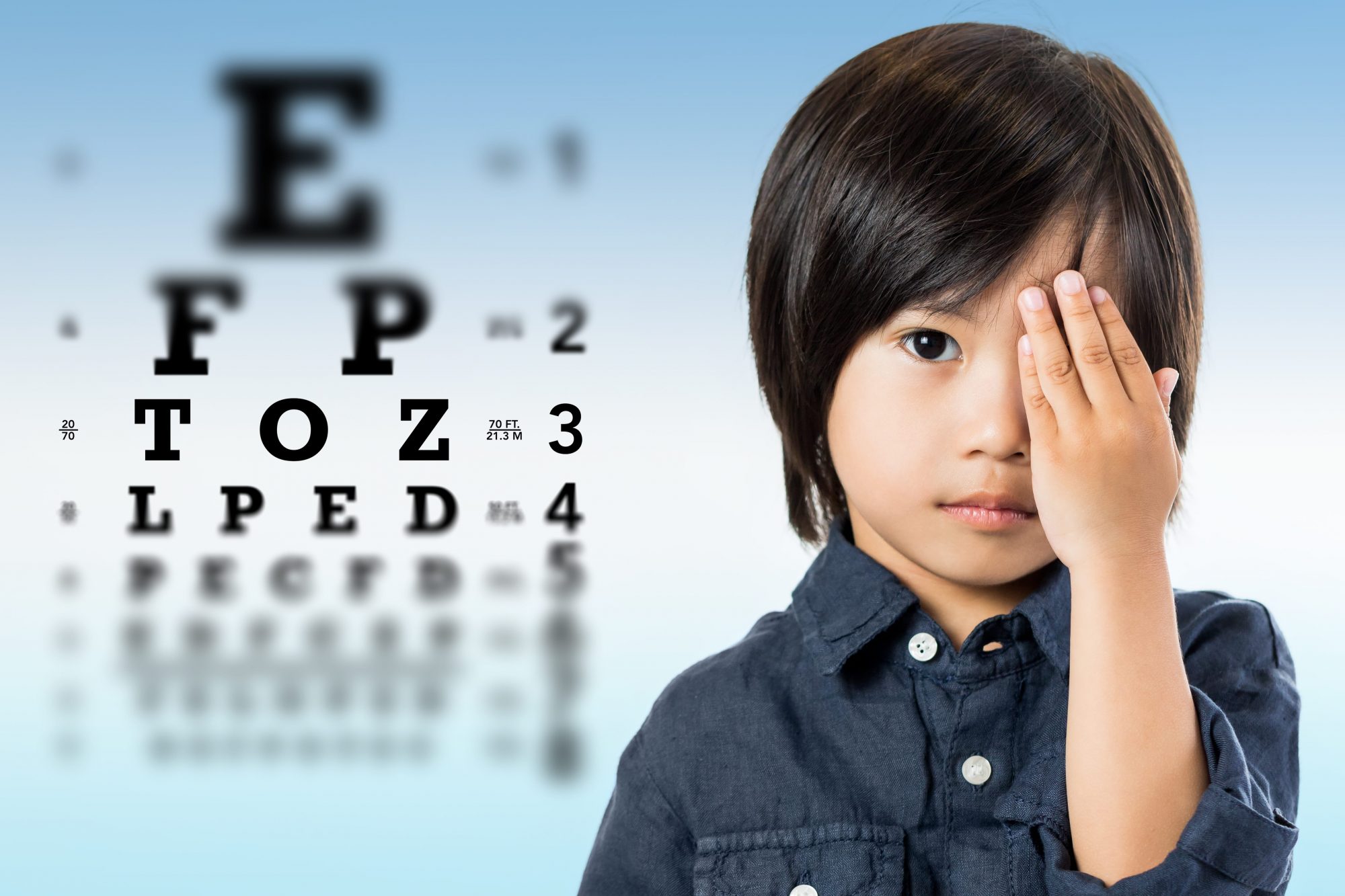
When a school nurse pulls a child into his or her office to complete a basic eye screening, he or she may write, “20/20 vision in both eyes. No visual concerns.” This child has successfully looked at an eye chart and read the letters; demonstrated the ability to look straight ahead, from an appropriate distance without things becoming blurry or illegible; and demonstrated visual acuity, or the ability to see with acceptable clarity.

But does this necessarily mean there are no concerns?

Visual acuity measures whether a stimulus is being seen – not necessarily if the information is truly being understood. The visual system is a complex part of the central nervous systems that incorporates the eyes, ocular pathways and brain to produce and interpret sight. It requires consistent communication between all of these individual anatomical pieces, the vestibular system and the skeletomuscular system. Essentially, vision is complicated and messy and requires many many different skills.

Breaking It Down

In terms of visual skills needed for academic success, we often break things down into three main areas: ocular motor control, visual perception and visual motor integration.

  • Ocular motor control describes the ability to physically move the eyes using the 9 ocular muscles. It encompasses the ability to track an object across a screen or a line of text across a book, or the ability to look up at the board and then quickly refocus on a sheet on paper on the desk. Imagine trying to watch a basketball game without the ability to track the ball across the screen smoothly. It quickly becomes tiring and frustrating. Occupational therapists often refer to these specific eye movements with technical terms, such as visual saccades, pursuits, convergence/divergence and accommodation. But in essence they describe eye movement.
  • Visual perception or visual processing is in many ways more nuanced. It focuses on the brain’s ability to organize, interpret and fully understand the information it receives from the eyes. Two main skills needed at school are visual figure ground and visual closure.
    • Visual figure ground is the ability to discern relevant information from a busy or cluttered background. A student with visual figure ground difficulty may not be able to search a busy white board and find a homework assignment. These students may also be visually overwhelmed by a worksheet with 20 math problems, but successful with the same problems presented individually.
    • Visual closure is a skill that specifically helps with reading efficiency and fluency. It is the ability to identify or visualize a complete form or picture when given incomplete visual information or when only a small piece of the image is shown. Visual closure allows us to read a sentence quickly without stopping to decode each individual letter. It is aslo oen raeosn taht mnay pelope can raed setneces wtih julmbled up ltetres. We recognize the form, not simply the sequential letters.  :  )
    • Visual closure plays a role in sight words and reading partially-covered papers or street signs in the community. While there are many more important visual perception skills, these two examples have functional, measurable effects in the classroom setting and are commonly identified through occupational therapy testing.
  • Visual motor integration (VMI) describes the ability to use all of these foundational visual skills in conjunction with foundational motor skills. It is the ability to interpret visual information and produce a precise motor response. In the classroom, this affects a student’s ability to copy shapes, produce legible handwriting and use scissors to cut along a line. Not only can these things be difficult, they can be exhausting as a child tries to use all of these skills at once.

While all of these visual components have multiple layers and intricacies, it is important to simply acknowledge that there’s more than the eye can see when it comes to vision. A child who “can’t see the board,” but has 20/20 vision, may just be visually overwhelmed. A child who looks at a page full of small block text and immediately gives up may not have the visual skill to read across a line. And a child who is learning to read beautifully, but still has difficult forming the letters in his name may have poor visual motor integration. Fortunately, there are many interventions and accommodations that can help build on and develop these skills further to foster confidence and success in the class and community.

About the Author:

Dr. Sophie Bellenis is a Licensed Occupational Therapist in Massachusetts, specializing in pediatrics and occupational therapy in the developing world. Dr. Bellenis joined NESCA in the fall of 2017 to offer community-based skills coaching services as well as social skills coaching as part of NESCA’s transition team. Dr. Bellenis graduated from the MGH Institute of Health Professions with a Doctorate in Occupational Therapy, with a focus on pediatrics and international program evaluation. She is a member of the American Occupational Therapy Association, as well as the World Federation of Occupational Therapists. In addition to her work at NESCA, Dr. Bellenis works as a school-based occupational therapist for the city of Salem Public Schools and believes that individual sensory needs, and visual skills must be taken into account to create comprehensive educational programming.


Neuropsychology & Education Services for Children & Adolescents (NESCA) is a pediatric neuropsychology practice and integrative treatment center with offices in Newton, Massachusetts, Plainville, Massachusetts, and Londonderry, New Hampshire, serving clients from preschool through young adulthood and their families. For more information, please email info@nesca-newton.com or call 617-658-9800.


Skip to content