


By Luisa Hernandez Medellin, Psy.D., PMH-C
Pediatric Neuropsychologist, NESCA
I have three children, ages 7, 13, and 20. I have seen most consoles from the past two decades, from the Wii U to the PS5, including a couple of Nintendo DS versions and X-Boxes. I have purchased Minecraft swords, mini kitchens, baby dolls, Little People, tablets, costumes, skateboards, Rubik’s Cubes, bikes, Pokémon cards, Ninja Turtles, makeup sets, Robux, Battle passes, and phones. And every year, I get the same mixed feelings about the value of gifts, their meaning, and their purpose, especially when it comes to electronics.
As a pediatric neuropsychologist, I want my children to get toys and games that are fun and instill curiosity and creativity. I want their gifts to encourage them to learn new skills, go outside, and play with other kids, but I also understand that some of the skills they learn now will be different from the ones we learned as we grew up.
Online group games can teach kids how to play as a team, communicate with others, assign and/or accept roles, strategize, and reach a common goal. Supervised and monitored by adults, video games can also teach them discipline, limits, and boundaries. How? Because even if they are teenagers, our kids need to learn that using electronics is a privilege, not a right. They need to be monitored regarding the content of their games, their online conversations, and the impact of their actions in the digital world. To use their devices, parental controls must be enabled, and their game’s rating must be appropriate for their age. Their Discord account – if allowed one – must be accessible to the parents for them to check it as needed. The older they get, the “spicier” the conversations. But that also opens the door to having more thoughtful and meaningful conversations with them about cyberbullying, racism, discrimination, sexting, and pornography, as well as where you stand regarding family values, ethics, morals, and life in general.
The same is true of phone use and social media. Research says that having access to social media before the age of 16 has a major negative impact on self-esteem, body image, and mental health – especially in girls – as unfortunately, the algorithms feed them negative ideas and unrealistic expectations about their bodies, as well as relationships, making them more prone to depression and anxiety. While the emotional effects on boys are typically not as severe, the free access to the virtual world tends to expose them to sex, pornography, drugs, and aggressive content earlier, if social media is not supervised.
Therefore, if you ask me, and all the other concerned parents and social scientists, I would not recommend giving kids a smartphone until they are 12-13, depending on their level of maturity and the level of honest communication with each other. And once they have one, the apps downloaded to their phones must be approved by their parents (both iPhones and Androids let you create that set-up). Likewise, their access to YouTube, Instagram, Snapchat, etc., must continue to be monitored by parents until they are adults. The misuse of devices and social media should have consequences and must not be taken lightly. If, as a parent or caregiver, you would not allow certain behavior or vocabulary in person, it should not be allowed in the virtual world either.
Here are other factors to consider when deciding when your child is ready for a smartphone:
- Child’s maturity: Assess your child’s responsibility, self-control, and ability to handle the device’s features and potential social pressures.
- Need for communication: Consider if the child needs a phone for safety and communication due to independence (e.g., biking to school, after-school activities).
- Alternatives to a smartphone: Before getting a smartphone, consider alternatives like a basic phone or a smartwatch with tracking and communication features but without internet access.
- Wait Until 8th pledge: A movement called “Wait Until 8th” encourages parents to delay giving children smartphones until at least eighth grade, with the support of other families to reduce peer pressure.
Now, for the younger ones, I also have a word of caution for the use of tablets and other devices. Research shows that children under two should not be “plugged” into a tablet, as it reduces socialization time and may affect language development. With supervision, including limiting the time of use, after age four, children could use it for specific educational games and to watch videos for short periods. All tablets allow you to set up parental controls as to what they can do/watch, and for how long, so parents… learn to use them. And please, make sure you do not set up an Apple account/number with free texting or FaceTime on your child’s tablet, as it would pretty much work the same way as giving them a smartphone.
I once read that the best holiday gift a child can get is the one that comes accompanied by a caring adult – and I think that is still true for all electronics. The world we grew up in no longer exists, and this era requires involved parents who are willing to learn, guide, set limits, and model responsibility and integrity while having fun with the new technologies at hand.
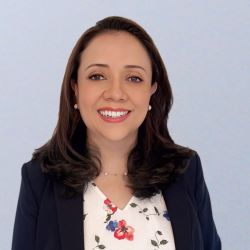 About the Author
As a bilingual pediatric neuropsychologist, Dr. Hernandez Medellin conducts comprehensive and culturally sensitive neurodevelopmental and neuropsychological assessments, comprehensive diagnostic evaluations, and effective care plans, providing appropriate recommendations for the client’s school, home, and the community. She specializes in the identification and assessment of neurodevelopmental disorders such as Autism Spectrum Disorders, ADHD, developmental and learning disorders, and their co-occurrence with anxiety and mood disorders. She also works with children and young adults with acquired brain injuries, epilepsy, brain tumors, strokes, general medical conditions, and genetic disorders affecting the nervous system. She is a native Spanish-speaker, passionate about serving the eclectic and vibrant South Florida community, as well as international patients looking for high-quality and compassionate care.
To book evaluation services at NESCA in Coral Gables, Florida, complete NESCA’s online intake form.
To book a neuropsychological evaluation or other services at NESCA’s New England offices, complete NESCA’s online intake form.
NESCA is a pediatric neuropsychology and related services practice with offices in Newton, Plainville, and Hingham, Massachusetts; Londonderry, New Hampshire; the greater Burlington, Vermont region; and Miami/Coral Gables, Florida, serving clients from infancy through young adulthood and their families. For more information, please email info@nesca-newton.com or call 617-658-9800.
 delays, learning disabilities, attention difficulties and executive functioning challenges. She often works with children whose complex profiles are not easily captured by a single label or diagnosis. She particularly enjoys working with young children and helping parents through their “first touch” with mental health care or developmental concerns.

 research and academia for over 30 years. She is a national consultant and speaker on program design and the inclusion of children and adolescents with special needs, especially those diagnosed with Autism Spectrum Disorder (ASD). Prior to joining NESCA, Ms. Lucci was the Principal of the Partners Program/EDCO Collaborative and previously the Program Director and Director of Consultation at MGH/Aspire for 13 years, where she built child, teen and young adult programs and established the 3-Ss (self-awareness, social competency and stress management) as the programming backbone. She also served as director of the Autism Support Center. Ms. Lucci was previously an elementary classroom teacher, special educator, researcher, school psychologist, college professor and director of public schools, a private special education school and an education collaborative.
 families better understand their child’s unique neurocognitive, developmental, learning, and social-emotional profiles. She specializes in the assessment of toddlers, school-aged children, adolescents, and young adults. Her expertise involves working with youth exhibiting a diverse range of clinical presentations, including neurodevelopmental disorders, such as autism spectrum disorder, attention and executive functioning deficits, learning disabilities, developmental delays, intellectual disabilities, and associated emotional challenges. Dr. Manning is also trained in the assessment of children with medical complexities, recognizing how health conditions can impact a child’s development and functioning. She partners closely with families to develop practical, personalized recommendations that support each individual’s success and growth at home, in school, and within the community.
 meaningful skills in order to reach their goals. She has spent the majority of her career working in a private school for students with ASD. She has also spent some time working in an inpatient mental health setting. Lyndsay uses occupation-based interventions and strategies to develop life skills, executive functioning, and emotional regulation. While completely her doctoral degree at MGH Institute of Health Professions, Lyndsay worked with the Boston Center for Independent Living to evaluate transition age services. She uses the results from her research to deliver services in a way that is most beneficial for clients. Specifically, she focuses on hands-on, occupation-based learning that is tailored the client’s goals and interests.



 attention deficit disorders, communication disorders, intellectual disabilities, and learning disabilities. She particularly enjoys working with children and their families who have concerns regarding an autism spectrum disorder. Dr. Milana has received specialized training on the administration of the Autism Diagnostic Observation Schedule (ADOS).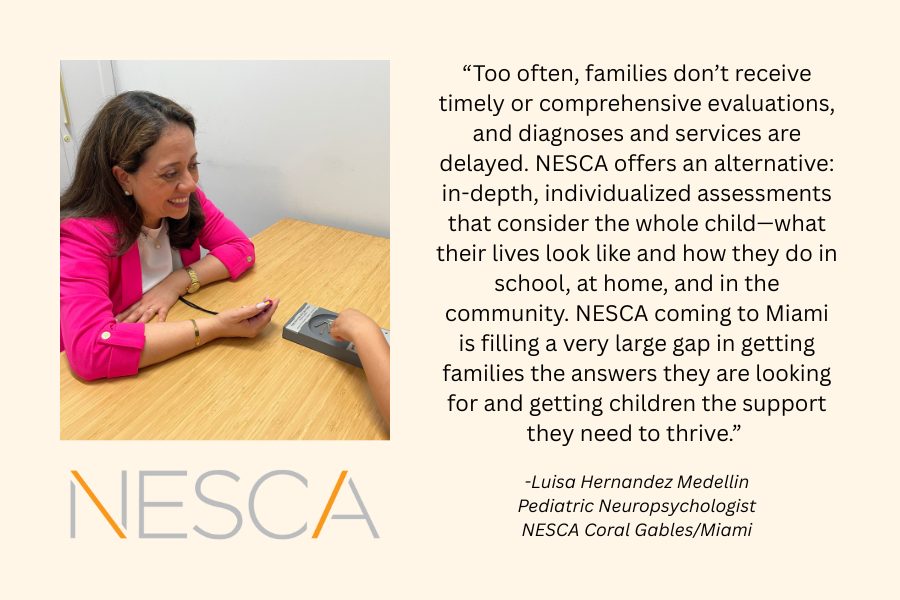
 By
By  practicing neuropsychology for 35 years and has been director of NESCA’s Neuropsychology practice for nearly three decades, continuously training and mentoring neuropsychologists to meet the highest professional standards.
Connect with Us