
NESCA’s Newton, MA location has immediate availability for neuropsychological evaluations. Our MA clinicians specialize in the following evaluations: Neuropsychological; Autism; and Emotional and Psychological, as well as Academic Achievement and Learning Disability Testing.

Visit www.nesca-newton.com/intake for more information or to book an evaluation.

Tag

pediatric neuropsychologist Archives - Page 6 of 7 - NESCA

Subscribe to NESCA Notes

Neuropsychological Evaluation Results: What, When and How to Share with Children and Teens

By | NESCA Notes 2021

By: Moira Creedon, Ph.D. 
Pediatric Neuropsychologist, NESCA

During intake and feedback meetings with families, I find the same question comes up often from parents: what do I tell my child about all of this? NESCA’s Dr. Erin Gibbons gracefully tackled how to prepare your child for their neuropsychological evaluation. After an evaluation is done, you as a parent now have more than 20 pages of historical information, test descriptions, tables, summaries, and recommendations. How do you translate that information into something a child or teen will actually understand? It does not need to be a secret code or a hidden message. Feedback about a child’s strengths and weakness can be an incredibly powerful intervention.

Let’s take a page from Carol Dweck’s work and use a growth mindset to frame the experience. A growth mindset tells us that skills can be learned and neural connections can be strengthened. I advise parents to tell children and teens that testing is a chance for a “healthy check-up” for our brain and our learning, just the same way that the pediatrician performs a yearly healthy check-up for our bodies. The same way that a doctor pays attention to how all of our systems grow and interact with each other, a neuropsychologist can see how a child or teen is growing and how parts of the brain can talk to each other. I shape the dialogue right away that this kind of evaluation can tell us how strong some of the parts of our learning are, like a super strong muscle that has been exercised and practiced with gusto. The evaluation can also tell us what muscles or parts of our learning are a little weaker and need some more “exercise.” Pulling in a growth mindset, we can set the frame that any weakness can be made stronger if we have the right types of exercise, the right amount of practice, the right coaches, and a willingness to work hard. Most children and teens are pretty savvy and can often predict what their weak muscles are (e.g., “math is so hard!”; “I can’t spell!”; or “I can’t pay attention in school and I’m always in trouble for getting out of my seat!”).

Now, back to those 20-plus pages of dense text. It’s rarely helpful for a child or teen to read each page. There are parts of the normal curve, standard scores, confidence intervals, on and on that children and teens have not even learned yet! Those scores are an incredibly important source of information for schools, pediatricians, psychiatrists, therapists, and other neuropsychologists. They are not nearly as helpful when sharing information with children and teens, so do not stress about trying to translate it for kids. It is also not as helpful to have this conversation with your children when you are late for a meeting or they cannot find a soccer cleat on the way to practice. Plan your conversation for a time when your stress level is low as a parent and your child or teen is also more relaxed.

Your neuropsychologist can help you in your personal feedback meeting to identify a few important strengths to share with your child or teen – from your child’s positive attitude, to their strong decoding of new words, to their memory for things they see, to their ability to make and keep friends. With a sense of confidence about their strengths, I share what the “weaker muscle” is using language like, “I can see that word problems can be harder for you,” or “Keeping your anxious thoughts quiet when you are at school so you can concentrate on schoolwork is really hard.” Most of the time, children and teens find this validating rather than shaming – finally someone sees that their struggle is not their fault, not because their brain is wrong or bad, not because they are not trying hard enough. They just need more of the right kind of practice.

Knowing their strengths and their weaknesses, it is much easier to shape the game plan for the future. I tell children and teens that the good news is that we know what strategies can help make that weaker area even stronger. So choose your metaphor: coaches have different plays or practices, music teachers have different pieces for someone to play, artists can try out a new medium or set of supplies, or gamers practice different strategies and read tips and tricks from other gamers. By choosing a relatable experience for your child or teen in that moment, we can make the information both relevant and accessible. Your neuropsychologist can speak with you about how you as a parent can share this information with your child, or they can arrange a time to share the information directly from neuropsychologist to client. It is helpful for you to listen, too, so you can hear the language used by the neuropsychologist. Be prepared that these meetings are not very long to suit a child or teen’s attention span. Children and teens need time to process the information the same way adults do. You might expect a child to return to you a few days later with questions, or for the topic to more organically arise when your teen faces a challenge. Feedback is a unique chance for your child to feel validated, encouraged, and empowered!


About the Author

Dr. Creedon has expertise in evaluating children and teens with a variety of presenting issues. She is interested in uncovering an individual’s unique pattern of strengths and weaknesses to best formulate a plan for intervention and success. With experiences providing therapy and assessments, Dr. Creedon bridges the gap between testing data and therapeutic services to develop a clear roadmap for change and deeper of understanding of individual needs.


If you are interested in booking an evaluation with Dr. Creedon or another NESCA neuropsychologist, please fill out and submit our online intake form


Neuropsychology & Education Services for Children & Adolescents (NESCA) is a pediatric neuropsychology practice and integrative treatment center with offices in Newton and Plainville, Massachusetts, and Londonderry, New Hampshire, serving clients from preschool through young adulthood and their families. For more information, please email info@nesca-newton.com or call 617-658-9800.

Cyberbullying and Autism Spectrum Disorders

By | NESCA Notes 2021

By Yvonne M. Asher, Ph.D. 
Pediatric Neuropsychologist

I recently had the opportunity to attend a webinar by Justin Patchin, Ph.D., one of the foremost cyberbullying researchers. I have used his work myself in designing both my master’s thesis and doctoral dissertation research, so it was wonderful to hear him speak. He began with a story about his childhood and some of the rules he was taught – don’t meet up with strangers that you meet online, don’t get into anyone’s car if you don’t know them well – lessons I was also taught as a child. These are the kind of rules that individuals with Autism Spectrum Disorders (ASD) often crave – black and white, clear, no middle ground. The online world, he argued, does not allow for such stark and rigid rules. Rather, he says, it calls for “guidelines.” Working with children with ASD, when I hear “guidelines,” I think, “grey,” “fuzzy,” and “it depends.” These can be some of the toughest situations for an individual who is not neurotypical.

I think he’s right. The online world is fast, fluid, ever-changing, and highly dependent on specific circumstances. It calls for the kind of flexible thinking and evaluation of context that kids with ASD are so often challenged by. Yet, as the adults parenting, educating, and supporting these young people, these are exactly the skills that they need. The online world is not going anywhere anytime soon, and it is not likely to slow down either.

Cyberbullying is one of the difficult online phenomena to manage, as youth who are bullied online are most frequently also bullied in “real life,” usually at school. The bullies are often peers they know and must see on a regular basis. For children with social challenges, navigating bullying that is occurring across settings is an especially difficult task. And the solution is not to take away technology. Now more than ever, children need access to technology for homework, classwork, enjoyable peer activities, and hobbies. Where does that leave us?

Unfortunately, Dr. Patchin did not give any practical advice for how to support individuals with autism around cyberbullying. I think that one important starting point is to help these individuals learn to check in with themselves. Time and time again, I hear from students, “I’m not really sure what was going on, but I think they were being mean.” (In fact, I hear this from children who are decidedly not on the autism spectrum, especially when bullying is occurring by older peers.) Bullying is hurtful (intentionally so), and recognizing that hurt is an important first step. Once children and adolescents identify that something is hurtful, adults can help and support them in navigating through the situation.

Whether bullying, cyberbullying, or a misunderstanding, it is important for adults to listen carefully when children come to us with social concerns. In addition, we must have a solid understanding of the online world in which students are living, learning, and engaging. Social media shifts rapidly, with new platforms becoming wildly popular in a matter of weeks. Working with youth requires us to keep as current as we can, making certain that we understand the “ins and outs” of each platform. It is also incumbent upon us to ensure that all children and adolescents (not just those with an autism diagnosis) learn guidelines that will allow them to safely make their way through a constantly evolving world of platforms, apps, and services. Safety online is as critical as safety in person.


About the Author

Dr. Yvonne M. Asher enjoys working with a wide range of children and teens, including those with autism spectrum disorder, developmental delays, learning disabilities, attention difficulties and executive functioning challenges. She often works with children whose complex profiles are not easily captured by a single label or diagnosis. She particularly enjoys working with young children and helping parents through their “first touch” with mental health care or developmental concerns.

Dr. Asher’s approach to assessment is gentle and supportive, and recognizes the importance of building rapport and trust. When working with young children, Dr. Asher incorporates play and “games” that allow children to complete standardized assessments in a fun and engaging environment.

Dr. Asher has extensive experience working in public, charter and religious schools, both as a classroom teacher and psychologist. She holds a master’s degree in education and continues to love working with educators. As a psychologist working in public schools, she gained invaluable experience with the IEP process from start to finish. She incorporates both her educational and psychological training when formulating recommendations to school teams.

Dr. Asher attended Swarthmore College and the Jewish Theological Seminary. She completed her doctoral degree at Suffolk University, where her dissertation looked at the impact of starting middle school on children’s social and emotional wellbeing. After graduating, she completed an intensive fellowship at the MGH Lurie Center for Autism, where she worked with a wide range of children, adolescents and young adults with autism and related disorders.


Neuropsychology & Education Services for Children & Adolescents (NESCA) is a pediatric neuropsychology practice and integrative treatment center with offices in Newton, Massachusetts, Plainville, Massachusetts, and Londonderry, New Hampshire, serving clients from preschool through young adulthood and their families. For more information, please email info@nesca-newton.com or call 617-658-9800.


To book an appointment with Dr. Yvonne Asher, please complete our Intake Form today. For more information about NESCA, please email info@nesca-newton.com or call 617-658-9800.
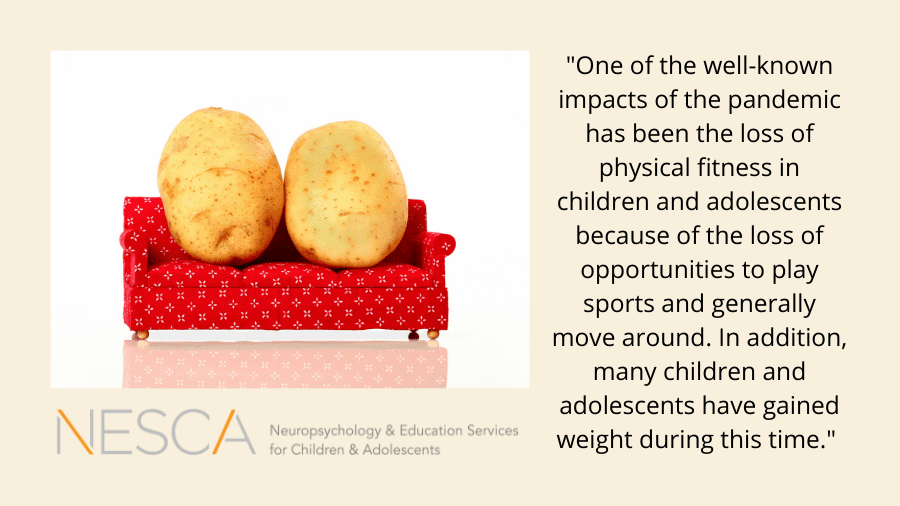
 

Looking for Answers? Ask the Right Questions.

By | NESCA Notes 2021

By: Ann Helmus, Ph.D.
NESCA Founder/Director; Clinical Neuropsychologist

Many parents have met with me concerned that, “We had a full evaluation and got a lot of scores and a diagnosis but we still don’t understand why our child has this problem and what we can do about it.” This outcome can be avoided if parents and the evaluator are both clear on why the child is being evaluated, have laid out specific questions to be answered and what kinds of recommendations are being sought. Determining the referral question(s) should be a key goal of the intake session.

During the intake meeting, the evaluator can help the parent to shape their concerns into a specific referral question that can be addressed effectively through the process of neuropsychological evaluation. The evaluator can manage parental expectations in this process so there is not disappointment with evaluation results that don’t answer the parents’ questions. For example, I’ve had parents request an evaluation because they want to know if their fifth grader will get into Harvard or their child with high-functioning ASD (autism spectrum disorder) will get married. These questions can’t be addressed through a neuropsychological evaluation, but they can be re-worked into answerable questions. A neuropsychological evaluation can tell us if a child’s cognitive and academic skills are in the range of students who attend the most competitive colleges. However, there are many other factors that influence the college acceptance process. In this case, the referral question might be revised into “assess the child’s potential for academic success in a rigorous academic setting.” Similarly, it is beyond the scope of a neuropsychologist to determine if anyone will get married, but through the evaluation process we can assess the child’s current social and emotional functioning and offer some predictions about their likely developmental trajectory in the social domain.

While the previous examples of referral questions are too broad or abstract, I am also often confronted with referral questions that are too narrow, such as, “Does this child have ADHD?”.  In this case, I would work with the parents to reframe the referral question to, “Why does this child appear to have difficulty paying attention in school?” This referral question recognizes the fact that there are many reasons that a child may have difficulty concentrating or appear distractible – ADHD being only one of the possibilities.

When I train neuropsychologists, I emphasize the importance of understanding “Why now?”. What is it that motivated the parent or school team to seek evaluation at this point in time as they work to frame the referral question with parents? Common reasons include: concern about how the child will manage an upcoming transition (e.g., to middle school), sudden appearance of a problem, obvious widening of the gap between a child and peers, inability to meet increased developmental demands, lack of response to interventions, change in emotional status, or deterioration in academic performance.

It is extremely helpful when parents and/or school teams prepare for the intake meeting by brainstorming what they are seeking from the evaluation, questions they hope will be answered, issues to be assessed, and specific guidance that is being requested. The evaluator can then work with the parents or school team to fashion these into a referral question that is specific and relevant to the child so that all parties are “on the same page” as they undertake the evaluation process.


About the Author
NESCA Founder/Director Ann Helmus, Ph.D. is a licensed clinical neuropsychologist who has been practicing for almost 20 years. In 1996, she jointly founded the  Children’s Evaluation Center (CEC) in Newton, Massachusetts, serving as co-director there for almost ten years. During that time, CEC emerged as a leading regional center for the diagnosis and remediation of both learning disabilities and Autism Spectrum Disorders.

In September of 2007, Dr. Helmus established NESCA (Neuropsychology & Education Services for Children & Adolescents), a client and family-centered group of seasoned neuropsychologists and allied staff, many of whom she trained, striving to create and refine innovative clinical protocols and dedicated to setting new standards of care in the field.

Dr. Helmus specializes in the evaluation of children with learning disabilities, attention and executive function deficits and primary neurological disorders. In addition to assessing children, she also provides consultation and training to both public and private school systems. She frequently makes presentations to groups of parents, particularly on the topics of non-verbal learning disability and executive functioning.

To book an evaluation with Dr. Helmus, NESCA Founder and Director, or one of our many other expert neuropsychologists or therapists, complete NESCA’s online intake form

Neuropsychology & Education Services for Children & Adolescents (NESCA) is a pediatric neuropsychology practice and integrative treatment center with offices in Newton and Plainville, Massachusetts, as well as Londonderry, New Hampshire. NESCA serves clients from preschool through young adulthood and their families. For more information, please email info@nesca-newton.com or call 617-658-9800.

How to Not Worry Alone: Signs Your Teen May Need More Help

By | NESCA Notes 2021

By: Moira Creedon, Ph.D. 
Pediatric Neuropsychologist, NESCA

As we reach nearly a year since children and teens in Massachusetts were sent home from school, many of us are experiencing the sadness and disappointment that comes from chronic stress. Combined with colder weather keeping us indoors and more limited daylight, it’s certainly harder for us to stay positive and upbeat. Children and teens have experienced tremendous and immeasurable loss over the last year – loss of normalcy, of freedom, of rites of passage like graduations, of competition and sport, of friendships, to name a few. Some have lost loved ones to illness and death, and others to separation and distance. They have experienced large doses of social deprivation and far less interaction with the world. And, while most children and teens will weather this storm, there are some whose resilience is very much at risk.

The evidence strongly suggests that there are increased rates of depression, anxiety, substance use and suicidal ideation in children and teens. Some changes in your child or teen since the “good old days” pre-pandemic are expected, just as ebbs and flows in our mood throughout the day or week are. So how is one to know when the situation is going from “normal adjustment” to the completely abnormal pandemic to a more dire and urgent need for help?  Here are few signs to keep alert to:

  • If you see your child withdrawing from activities they enjoy – even those around the house – pay attention. This might mean that a teen has stopped showing interest in baking projects, in connecting with friends over gaming, in watching movies with the family, etc. The shift from limited social interactions to total isolation is important.
  • If you see your child persistently struggling with daily living activities that used to be somewhat easy, keep a close eye on sleep and hygiene. Depressed children and teens tend to sleep much more or even much less than their peers with a sense of being tired and lethargic. Be alert for newer changes in hygiene and bathing that may have not been an issue before.
  • If you are noticing a persistent low or sad mood, pay attention to how your child talks about the future. A sense of hopelessness or difficulty articulating anything they look forward to about the future (for a family trip, for a chance to see a friend again, for a new season of a favorite show) is a sign that emotional health is precarious.
  • If you notice behavioral outbursts that happen more often and seem to grow more intense, your child or teen may be showing the irritability and anger that is common in depression in children and teens.
  • If your child had signs of anxiety or depression before the pandemic, the increased stress is likely to hit harder.

If a child or teen’s low mood seems to be persistent (around all the time) and pervasive (no matter what they are doing), it’s time to reach out for help. If you have noticed these struggles, who do you call?

  • Start with your child’s pediatrician. Many clinics have social workers on staff who can help to locate service agencies in your area. You can call and request a list of referral agencies or therapists. It may also help to ensure that there are not physical illnesses that are underlying the emotional problem.
  • Contact your child’s school. It’s worthwhile to check out how your child’s teacher perceives their engagement with school since a decline in academic functioning and even motivation to do any school work can be an important sign of a problem. Contact the guidance counselor, school psychologist, or social worker to ask for support. If the staff are unable to arrange therapy at school, they can provide names of therapists in the community.
  • Contact your insurance company either by calling or reviewing information on their website. Most providers are using telehealth platforms to interact with clients. Insurance companies regularly contact providers who are paneled to take insurance to see if they are accepting new patients for telehealth.
  • Ask friends or family for any providers they may have worked with in the past.

Asking for help for your struggling child or teen is a brave and powerful message. It shows your child that you do not ever need to worry alone.


For additional resources, please see:

The American Psychological Association at https://www.apa.org/monitor/2020/06/covid-suicide.

The Centers for Disease Control and Prevention at https://www.cdc.gov/coronavirus/2019-ncov/daily-life-coping/stress-coping/young-adults.html

National Suicide Prevention Lifeline at 1-800-273-TALK.


About the Author

Dr. Creedon has expertise in evaluating children and teens with a variety of presenting issues. She is interested in uncovering an individual’s unique pattern of strengths and weaknesses to best formulate a plan for intervention and success. With experiences providing therapy and assessments, Dr. Creedon bridges the gap between testing data and therapeutic services to develop a clear roadmap for change and deeper of understanding of individual needs.


If you are interested in booking an evaluation with Dr. Creedon or another NESCA neuropsychologist, please fill out and submit our online intake form


Neuropsychology & Education Services for Children & Adolescents (NESCA) is a pediatric neuropsychology practice and integrative treatment center with offices in Newton and Plainville, Massachusetts, and Londonderry, New Hampshire, serving clients from preschool through young adulthood and their families. For more information, please email info@nesca-newton.com or call 617-658-9800.

Anxiety Reducers for Children and Teens with ASD

By | NESCA Notes 2021

By Renée Marchant, Psy.D.
Pediatric Neuropsychologist

Research indicates that children and teens with Autism Spectrum Disorders (ASD) are more sensitive to heightened physiological sympathetic arousal (the “fight or flight” response), including increased heart rate, breathing rate, feeling “on edge” and body-based tenseness. Heightened physiological arousal is neurologically connected to sensory processing and emotional responses. This is why some children with ASD have “high startle responses” or sensitivities to specific sensations, such as touch or sounds. This is also why some children and teens with ASD are vulnerable to feelings of anxiety, particularly within social situations and settings.

There is growing research focusing on possible strategies and interventions that reduce anxiety and “buffer” the “fight or flight” response that can be activated for many children and teens with ASD.

5 Research-driven Anxiety Reducers:

Animals: Include companion or therapy animals in social groups or social outings (particularly new social events). In one study, children with ASD showed a 43% decrease in skin conductance responses during free play with peers in the presence of animals, as compared to toys (O’Haire, McKenzie, Beck, & Slaughter, 2015).

Exercise: Make a plan to engage in a “warm up” body-based activity right before a social event when anxiety levels are increasing (e.g., jumping jacks, burpees, squats). Research indicates that exercise calms the amygdala and decreases physiological arousal.

Relax or Distract: Practice progressive muscle relaxation (PMR). Recent research has indicated that regular and routine engagement in PMR sessions can be a useful strategy for individuals with ASD. Distract yourself from the anxiety-producing situation for the short term (e.g., count by 3s, name three things you can see and hear in the room, repeat words from your favorite song in your head).

Plan to Take a Break: Children and teens can benefit from having a healthy “escape plan” to take a break from socially-demanding and sensory-demanding settings (e.g., a large event like a play or concert, a college lecture, an interview for a job). Research indicates that “rest breaks” during mentally demanding tasks result in increased alertness, decreased fatigue and heightened relaxation.

Social Stories: Social stories provide the opportunity to practice and prepare for stressful situations, decreasing “fight or flight” responses. Read more about examples and applications of social stories in my colleague, Dr. Erin Gibbons’ previous blog post.


About the Author:

Dr. Renée Marchant provides neuropsychological and psychological (projective) assessments for youth who present with a variety of complex, inter-related needs, with a particular emphasis on identifying co-occurring neurodevelopmental and psychiatric challenges. She specializes in the evaluation of developmental disabilities including autism spectrum disorder and social-emotional difficulties stemming from mood, anxiety, attachment and trauma-related diagnoses. She often assesses children who have “unique learning styles” that can underlie deficits in problem-solving, emotion regulation, social skills and self-esteem.

Dr. Marchant’s assessments prioritize the “whole picture,” particularly how systemic factors, such as culture, family life, school climate and broader systems impact diagnoses and treatment needs. She frequently observes children at school and participates in IEP meetings.

Dr. Marchant brings a wealth of clinical experience to her evaluations. In addition to her expertise in assessment, she has extensive experience providing evidence-based therapy to children in individual (TF-CBT, insight-oriented), group (DBT) and family (solution-focused, structural) modalities. Her school, home and treatment recommendations integrate practice-informed interventions that are tailored to the child’s unique needs.

Dr. Marchant received her B.A. from Boston College with a major in Clinical Psychology and her Psy.D. from William James College in Massachusetts. She completed her internship at the University of Utah’s Neuropsychiatric Institute and her postdoctoral fellowship at Cambridge Health Alliance, a Harvard Medical School teaching hospital, where she deepened her expertise in providing therapy and conducting assessments for children with neurodevelopmental disorders as well as youth who present with high-risk behaviors (e.g. psychosis, self-injury, aggression, suicidal ideation).

Dr. Marchant provides workshops and consultations to parents, school personnel and treatment professionals on ways to cultivate resilience and self-efficacy in the face of adversity, trauma, interpersonal violence and bullying. She is an expert on the interpretation of the Rorschach Inkblot Test and provides teaching and supervision on the usefulness of projective/performance-based measures in assessment. Dr. Marchant is also a member of the American Family Therapy Academy (AFTA) and continues to conduct research on the effectiveness of family therapy for high-risk, hospitalized patients.


To book an evaluation with Dr. Marchant or one of our many other expert neuropsychologists, complete NESCA’s online intake form. Click here to learn more about NESCA’s ASD Diagnostic Clinic.


Neuropsychology & Education Services for Children & Adolescents (NESCA) is a pediatric neuropsychology practice and integrative treatment center with offices in Newton and Plainville, Massachusetts, and Londonderry, New Hampshire, serving clients from preschool through young adulthood and their families. For more information, please email info@nesca-newton.com or call 617-658-9800.


The Intention to Thrive

By | NESCA Notes 2021

By: Ann Helmus, Ph.D.
NESCA Founder/Director

As I reflect on the year that we have all come through, my overwhelming emotion (aside from exhaustion) is pride in the NESCA team for working together in an extraordinary manner under incredibly challenging circumstances. Just before closing the doors at NESCA in mid-March, I wrote to all staff:

NESCA is going to not only survive through this pandemic but we are going to thrive as an organization and show leadership in the special education community. The needs of our clients have not gone away; in fact, they are likely increasing.  School systems are scrambling to meet their obligations for students with special needs. We will continue to do the work we have always done, albeit in a somewhat modified fashion. 

Each of the NESCA staff—clinical and administrative—immediately rose to the occasion to help me realize this vision for navigating the pandemic. We increased the frequency our blog posts and introduced regular webinars, gearing them towards the needs of parents facing the challenges of the pandemic and increased our social media following from 4,000 to more than 40,000 by offering supportive and helpful content. NESCA clinicians offered multiple, free online support groups for parents and professionals related to topics they were now experiencing due to COVID-19. We acknowledged and addressed the unprecedented COVID-19-related concerns and challenges professionals and educators who support those with autism were experiencing through our free Autism Educator Hangouts.

After a great deal of research and discussion about how to conduct evaluations in a manner that ensured the safety of staff and clients while producing valid results, we settled on our “two office model,” renovating our space with plexiglass panes so that clients and clinicians would be able to work together in separate but adjoining offices. We collaborated with Massachusetts Advocates for Children (MAC), Massachusetts Department of Elementary and Secondary Education (DESE), The Federation for Children with Special Needs (FCSN) and the Massachusetts Urban Project, Inc., providing information about assessments and other services during the pandemic.

NESCA grew by adding new staff and service offerings this past year. We welcomed Dr. Moira Creedon to our pediatric neuropsychology staff. Tabitha Monahan, M.A., CRC, and Becki Lauzon, M.A., CRC, both joined NESCA’s Transition Services team. Julie Robinson, OT, joined NESCA in September with three occupational therapists to offer insurance-based, sensory-motor therapy. Abigael Gray, MS, CCC-SLP, also joined at that time to offer insurance-based speech/language and feeding therapy at NESCA. These staff have been incredibly innovative in their use of teletherapy to continue providing services to clients remotely.  And, they and their clients have experienced some surprising benefits stemming from the delivery of services via telehealth. 2020 also saw the introduction of NESCA’s ASD Diagnostic Clinic, helping families to diagnose children with Autism Spectrum Disorder as early as possible so they may gain access to critically important interventions.

Over the last decade, NESCA has had a strong commitment to international work, seeing clients for evaluation and consultation in the NESCA offices as well as abroad. With travel severely limited by the pandemic, we have instituted teletherapy for international work and are pleased to continue to assist  families abroad. NESCA was honored to be a Gold Sponsor for the annual SENIA conference (Special Education Network & Inclusion Association) that was held virtually. I was pleased to present about the differences between testing and assessment with professionals from schools all over Asia.

In the midst of the global pandemic, we continued to do the work that we have always done. We continued to support each other and became even more closely bonded as a team. We contributed to the community. No matter how challenging it has been, we are motivated by the knowledge that children with special needs and their parents need our support now more than ever.


About the Author: 

NESCA Founder/Director Ann Helmus, Ph.D. is a licensed clinical neuropsychologist who has been practicing for almost 20 years. In 1996, she jointly founded the  Children’s Evaluation Center (CEC) in Newton, Massachusetts, serving as co-director there for almost ten years. During that time, CEC emerged as a leading regional center for the diagnosis and remediation of both learning disabilities and Autism Spectrum Disorders.

In September of 2007, Dr. Helmus established NESCA (Neuropsychology & Education Services for Children & Adolescents), a client and family-centered group of seasoned neuropsychologists and allied staff, many of whom she trained, striving to create and refine innovative clinical protocols and dedicated to setting new standards of care in the field.

Dr. Helmus specializes in the evaluation of children with learning disabilities, attention and executive function deficits and primary neurological disorders. In addition to assessing children, she also provides consultation and training to both public and private school systems. She frequently makes presentations to groups of parents, particularly on the topics of non-verbal learning disability and executive functioning.

To book an evaluation with Dr. Helmus, NESCA Founder and Director, or one of our many other expert neuropsychologists or therapists, complete NESCA’s online intake form

Neuropsychology & Education Services for Children & Adolescents (NESCA) is a pediatric neuropsychology practice and integrative treatment center with offices in Newton and Plainville, Massachusetts, as well as Londonderry, New Hampshire. NESCA serves clients from preschool through young adulthood and their families. For more information, please email info@nesca-newton.com or call 617-658-9800.

Early Detection of Autism: NESCA’s New ASD Diagnostic Clinic

By | NESCA Notes 2020

By: Erin Gibbons, Ph.D.
Pediatric Neuropsychologist, NESCA

Children with autism spectrum disorder (ASD) vary widely in terms of the intensity of their symptoms as well as the age at which symptoms emerge. In some cases, signs of autism are apparent during infancy. For other children, concerns about autism might not arise until toddlerhood or even early childhood.

As neuropsychologists, we have become increasingly adept at detecting and diagnosing ASD using a combination of developmental history, clinical observation and standardized assessments. We are constantly learning more about ASD and fine-tuning the tools we have available to us to make a diagnosis.

One of the most important things we have learned through longitudinal research over the past 10 years is that early detection of ASD is a crucial part of a child’s prognosis. Young children who receive intensive services are much more likely to develop language, play and social skills. Because their brains are still in a state of rapid development, they are much quicker to acquire new skills and make progress in the areas where they are struggling. Children who receive early intervention for ASD are typically better able to participate in inclusion settings with same-age peers once they enter elementary school.

Unfortunately, many parents are told to “wait and see” when they express concerns about their child’s development – especially with children who are not yet in preschool. This is a risky and sometimes harmful approach as it leads to children with developmental disabilities not receiving the services they need.

In light of our understanding about the importance of early detection of ASD, NESCA is proud to introduce its ASD Diagnostic Clinic. The clinic offers testing that is targeted specifically at identifying ASD in children between the ages of 2 and 5. For children who do receive a diagnosis of ASD, the report will allow parents to start accessing services immediately. As with all of our families, we hope to establish a lifelong relationship and will be available for follow-up consults and additional evaluations at any time.


About the Author: 

Erin Gibbons, Ph.D. is a pediatric neuropsychologist with expertise in neurodevelopmental and neuropsychological assessment of infants,

children, and adolescents presenting with developmental disabilities including autism spectrum disorders, Down syndrome, intellectual disabilities, learning disabilities, and attention deficit disorders. She has a particular interest in assessing students with complex medical histories and/or neurological impairments, including those who are cognitively delayed, nonverbal, or physically disabled. Dr. Gibbons joined NESCA in 2011 after completing a two-year post-doctoral fellowship in the Developmental Medicine Center at Boston Children’s Hospital. She particularly enjoys working with young children, especially those who are transitioning from Early Intervention into preschool. Having been trained in administration of the Autism Diagnostic Observation Schedule (ADOS), Dr. Gibbons has experience diagnosing autism spectrum disorders in children aged 12 months and above.


If you are interested in booking an appointment for the ASD Diagnostic Clinic or an evaluation with a NESCA neuropsychologist/clinician, please fill out and submit our online intake form


Neuropsychology & Education Services for Children & Adolescents (NESCA) is a pediatric neuropsychology practice and integrative treatment center with offices in Newton and Plainville, Massachusetts, and Londonderry, New Hampshire, serving clients from preschool through young adulthood and their families. For more information, please email info@nesca-newton.com or call 617-658-9800.

Good Night, Sleep Tight: What if I Can’t Sleep Right?

By | NESCA Notes 2020

By: Moira Creedon, Ph.D. 
Pediatric Neuropsychologist, NESCA

The American Psychological Association recently issued a press release about the impact of the COVID-19 pandemic on our dreaming. Not surprisingly, the information in four published articles indicates that people are having more anxious dreams now. This seems obvious given the emotional toll and high levels of stress as everyone juggles work, virtual school, health and safety, and family needs in a pandemic. We have an overflowing plate of stress on our hands with distant notions of when this stress will end. While these articles describe the anxious dreaming and sleep of adults, it’s not a stretch to consider that children and teens may have disrupted sleep right now. Their plates are overflowing, too, as they manage virtual and hybrid learning, confusing social demands, less movement and exercise than usual, and less contact with both adults and kids.

We cannot underestimate the importance of sleep to our system. Sleep is when our body restores itself, builds important immune functions and consolidates memories and learning. When children do not get enough sleep, we can see a whole host of problems, including issues with attention, concentration, learning, irritability, poor emotion regulation and risky behaviors in addition to the physical health outcomes.

What do we do to help our kids and teens get more and better sleep? It’s time to get sleep hygiene back on track. It’s possible to do even if the pandemic has caused the norm to drastically shift. Here are some tips for promoting sleep for children and teens:

Establish a consistent schedule. I cannot emphasize this one enough. Establish consistent times for settling down for bed and waking up that are the same every day of the week. Try to stick to this schedule whether your child is having an in-person learning day or remote, whether it is a weekend or weekday. This can be tricky with teenagers who tend to sleep in on weekend days. Try to stick within an hour, if possible, to get your body on a more consistent schedule. Avoid naps during the day if you can, even if there has been a rough night of sleep (or limit naps to less than 30 minutes). Daytime napping can interrupt night sleep patterns.

Develop a routine to settle for bed. Children and teens need to settle down for bed gradually. We can’t go from wide awake to peaceful slumber in a few moments. Limit screen time 30 minutes before bed as the light that is given off by televisions, phones or other devices confuses our systems and causes delays in releasing melatonin (the magic sleep hormone). Choose the same relaxing activity each night. Children and teens can read (or listen to a story read aloud by a parent), listen to an audiobook, color in special coloring book, listen to music or a podcast, or take a warm bath or shower. Include your child or teen in conversations about what relaxing activity to try before bed. Keep the same activity for several weeks before trying other ones. The brain does not want variety when you are trying to settle for bed, or it can become more alert in the face of a novel activity. The routine promotes relaxation.

Schedule talk time. Children and teens tend to think about their day as they are laying down. This can lead to “just one more thing” that kids have to tell us or one more question. They can also anticipate what is happening next, which can lead to an increase in anxiety. Schedule a “talk time” with your child or teen to discuss the day and think ahead to tomorrow. Do this at least 30 minutes before bedtime (ideally closer to dinnertime) to avoid a lengthy conversation that can activate anxiety. Use this time to validate feelings and model problem-solving about any issues coming up.

Provide comfort after dreams. We can expect that everyone may wake up at some point after an anxiety dream. If we can predict it, it can make it feel less overwhelming. Teach children and teens what to do when they wake up feeling anxious, including seeking the support of their parent for the very upsetting ones. Offer comfort and a tuck back into bed. Encourage your child to talk about how to resolve the frightening dream in a way that is silly, funny or triumphant to shift the focus away from what felt upsetting. Have a scary dream about a monster? Imagine him having to perform a ballet while balancing hot sauce on his head. Have an anxiety dream about a teacher yelling at you for forgetting your homework? Imagine turning it in and your teacher leading the rest of class in a celebratory song. You can also encourage children or teens to think of their favorite movie or book, and ask them to close their eyes and replay the movie or book to refocus the mind.

Practice breathing. To soothe our overactive anxiety systems, practice taking deep breaths. Imagine your breath filling up the back of your lungs and visualize the air going through your body. Practice circle breathing where air comes in one nostril and out the other (of course it comes in and goes out both!).  With younger kids, a little modeling helps. You can also encourage kids and teens to tense different parts of their body, hold for a count of 10, and then release to feel more relaxed.

Reach out for help. If your child or teen has persistent trouble with sleep, contact your pediatrician. It may be time for a more thorough evaluation to rule out sleep disorders, medical causes or behavioral patterns that signal a bigger sleep problem.


For more information, please check out these resources:

American Psychological Association (APA) press release related to dreaming:  https://www.apa.org/news/press/releases/2020/09/upsetting-dreams-covid-19

Fantastic APA resource on sleep: https://www.apa.org/monitor/2020/07/ce-corner-sleep

What To Do When You Dread Your Bed: A Kid’s Guide to Overcoming Problems with Sleep (2008) by Dawn Huebner, Ph.D.


About the Author: 

Dr. Creedon has expertise in evaluating children and teens with a variety of presenting issues. She is interested in uncovering an individual’s unique pattern of strengths and weaknesses to best formulate a plan for intervention and success. With experiences providing therapy and assessments, Dr. Creedon bridges the gap between testing data and therapeutic services to develop a clear roadmap for change and deeper of understanding of individual needs.


If you are interested in booking an evaluation with Dr. Creedon or another NESCA neuropsychologist, please fill out and submit our online intake form


Neuropsychology & Education Services for Children & Adolescents (NESCA) is a pediatric neuropsychology practice and integrative treatment center with offices in Newton and Plainville, Massachusetts, and Londonderry, New Hampshire, serving clients from preschool through young adulthood and their families. For more information, please email info@nesca-newton.com or call 617-658-9800.

Key Facts about Early Diagnosis of Autism Spectrum Disorder (ASD)

By | NESCA Notes 2020

By Renée Marchant, Psy.D.
Pediatric Neuropsychologist

Early diagnosis is a catalyst for propelling children on positive trajectories. If a family and child identify and focus on areas of growth earlier rather than later, there is more time and more possibility of change and improvement. This tenant is particularly critical for diagnosing ASD in toddlerhood and early childhood.

Here are critical facts about the diagnosis of ASD in early childhood and the positive impact of early diagnosis on youngsters as they age into adulthood.

  1. Most children with ASD are not diagnosed until approximately 4 years-old, yet ASD can be reliably identified by the age of 2. There is also expanding research on early identification of infants who may be at risk for ASD. Early detection is possible.
  2. Genes play an important role in ASD. A child’s odds of having an ASD diagnosis increases if he/she has a sibling or parent with ASD, attention deficit hyperactivity disorder (ADHD), intellectual disability, schizophreniadepression, bipolar disorder or anxiety. Family medical history is an important factor for families considering a diagnostic evaluation.
  3. Co-occurring disorders (such as anxiety and depression) are more likely in individuals with ASD than the general population. Identifying emotion regulation issues in early childhood is thus essential.
  4. Neuroplasticity matters. Because ASD is a neurodevelopmental disorder, early treatment improves neuroplastic brain functioning and subsequent behavior. As a child develops, his/her brain becomes less plastic.
  5. Interventions geared at a child’s “first relationships” with their caregivers may exert a strong positive effect on the developmental trajectories of toddlers at high-risk of ASD and also have a positive impact on a child’s social skills with peers as they age.
  6. Research indicates that parent-child interactions in early childhood predict long-term gains in language skills into adulthood for individuals with diagnoses of ASD. Acquiring communicative, pragmatic and useful language by kindergarten has also been identified as a strong predictor of adaptive or functional “real life” skills, which are needed to navigate the environment in adolescence and adulthood.
  7. Social skills instruction in a child’s early years increases competency with peers in school. This social competency is associated with greater adaptive independence in children with ASD.
  8. Working with a “diagnostic navigator” early in your child’s life improves outcomes. Research clearly indicates that social support is vital to relieve stress associated with caregiving for a child with ASD and that a positive parent–professional relationship is helpful in alleviating family stress.

If you suspect your child has or is at higher risk for ASD and you are looking for a “diagnostic navigator” for your child, consider an evaluation with NESCA.  While early diagnosis of ASD can make a positive impact on a child’s trajectory, obtaining the accurate diagnosis and recommendations for interventions at any age is critical.


References:

Elder JH, Kreider CM, Brasher SN, Ansell M. Clinical impact of early diagnosis of autism on the prognosis and parent-child relationships. Psychol Res Behav Manag. 2017;10:283-292. Published 2017 Aug 24. doi:10.2147/PRBM.S117499.

Dawson G, Jones EJ, Merkle K, Venema K, Lowy R, Faja S, Kamara D, Murias M, Greenson J, Winter J, Smith M, Rogers SJ, Webb SJ. Early behavioral intervention is associated with normalized brain activity in young children with autism. J Am Acad Child Adolesc Psychiatry. 2012 Nov;51(11):1150-9. doi: 10.1016/j.jaac.2012.08.018. PMID: 23101741; PMCID: PMC3607427.

Jokiranta-Olkoniemi E, Cheslack-Postava K, Sucksdorff D, Suominen A, Gyllenberg D, Chudal R, Leivonen S, Gissler M, Brown AS, Sourander A. Risk of Psychiatric and Neurodevelopmental Disorders Among Siblings of Probands With Autism Spectrum Disorders. JAMA Psychiatry. 2016 Jun 1;73(6):622-9. doi: 10.1001/jamapsychiatry.2016.0495. PMID: 27145529.

Kasari C, Siller M, Huynh LN, Shih W, Swanson M, Hellemann GS, Sugar CA. Randomized controlled trial of parental responsiveness intervention for toddlers at high risk for autism. Infant Behav Dev. 2014 Nov;37(4):711-21. doi: 10.1016/j.infbeh.2014.08.007. Epub 2014 Sep 26. PMID: 25260191; PMCID: PMC4355997.

Mayo, J., Chlebowski, C., Fein, D.A. et al. Age of First Words Predicts Cognitive Ability and Adaptive Skills in Children with ASD. J Autism Dev Disord 43, 253–264 (2013). https://doi.org/10.1007/s10803-012-1558-0.

Siller, M., Swanson, M., Gerber, A., Hutman, T., & Sigman, M. (2014). A parent-mediated intervention that targets responsive parental behaviors increases attachment behaviors in children with ASD: results from a randomized clinical trial. Journal of Autism and Developmental Disorders, 44(7), 1720-1732.

Xie S, Karlsson H, Dalman C, Widman L, Rai D, Gardner RM, Magnusson C, Schendel DE, Newschaffer CJ, Lee BK. Family History of Mental and Neurological Disorders and Risk of Autism. JAMA Netw Open. 2019 Mar 1;2(3):e190154. doi: 10.1001/jamanetworkopen.2019.0154. PMID: 30821823; PMCID: PMC6484646.


About the Author:

Dr. Renée Marchant provides neuropsychological and psychological (projective) assessments for youth who present with a variety of complex, inter-related needs, with a particular emphasis on identifying co-occurring neurodevelopmental and psychiatric challenges. She specializes in the evaluation of developmental disabilities including autism spectrum disorder and social-emotional difficulties stemming from mood, anxiety, attachment and trauma-related diagnoses. She often assesses children who have “unique learning styles” that can underlie deficits in problem-solving, emotion regulation, social skills and self-esteem.
Dr. Marchant’s assessments prioritize the “whole picture,” particularly how systemic factors, such as culture, family life, school climate and broader systems impact diagnoses and treatment needs. She frequently observes children at school and participates in IEP meetings.

Dr. Marchant brings a wealth of clinical experience to her evaluations. In addition to her expertise in assessment, she has extensive experience providing evidence-based therapy to children in individual (TF-CBT, insight-oriented), group (DBT) and family (solution-focused, structural) modalities. Her school, home and treatment recommendations integrate practice-informed interventions that are tailored to the child’s unique needs.

Dr. Marchant received her B.A. from Boston College with a major in Clinical Psychology and her Psy.D. from William James College in Massachusetts. She completed her internship at the University of Utah’s Neuropsychiatric Institute and her postdoctoral fellowship at Cambridge Health Alliance, a Harvard Medical School teaching hospital, where she deepened her expertise in providing therapy and conducting assessments for children with neurodevelopmental disorders as well as youth who present with high-risk behaviors (e.g. psychosis, self-injury, aggression, suicidal ideation).

Dr. Marchant provides workshops and consultations to parents, school personnel and treatment professionals on ways to cultivate resilience and self-efficacy in the face of adversity, trauma, interpersonal violence and bullying. She is an expert on the interpretation of the Rorschach Inkblot Test and provides teaching and supervision on the usefulness of projective/performance-based measures in assessment. Dr. Marchant is also a member of the American Family Therapy Academy (AFTA) and continues to conduct research on the effectiveness of family therapy for high-risk, hospitalized patients.


To book an evaluation with Dr. Marchant or one of our many other expert neuropsychologists, complete NESCA’s online intake form.


Neuropsychology & Education Services for Children & Adolescents (NESCA) is a pediatric neuropsychology practice and integrative treatment center with offices in Newton and Plainville, Massachusetts, and Londonderry, New Hampshire, serving clients from preschool through young adulthood and their families. For more information, please email info@nesca-newton.com or call 617-658-9800.


Skip to content