To accommodate requests for neuropsychological evaluations after the start of the new school year, NESCA has added evaluation dates in its Newton, MA office. Immediate openings are now available for scheduling. Please complete our Inquiry/Intake Form for more information or to start the scheduling process.

Tag

pediatric neuropsychologist Archives - Page 2 of 8 - NESCA

Subscribe to NESCA Notes

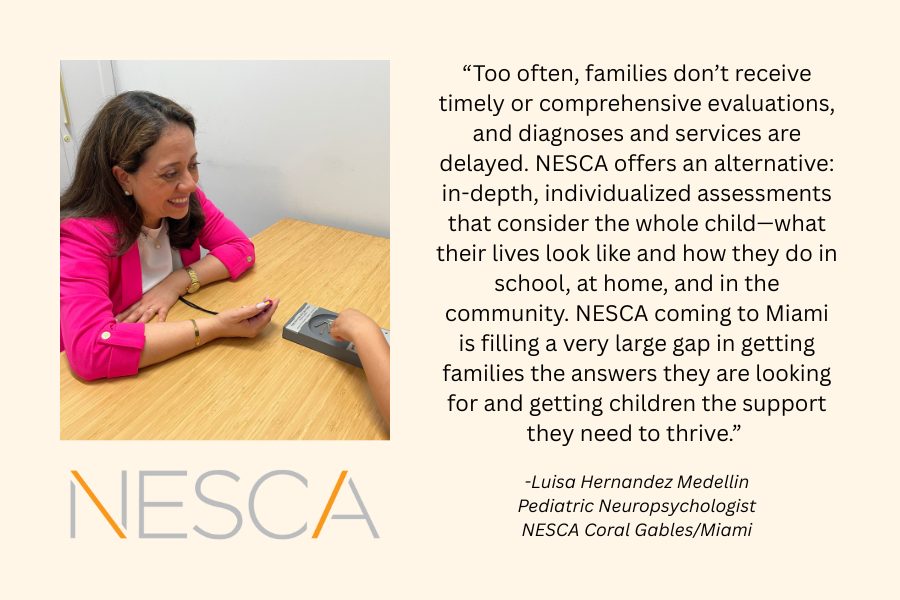
Dr. Luisa Hernandez Medellin evaluating a child

NESCA’s Heading South to Care for Children and Empower Families

By | NESCA Notes 2025

Dr. Luisa Hernandez Medellin evaluating a childBy Jane Hauser
Director of Marketing & Outreach, NESCA

Dr. Luisa Hernandez Medellin Discusses NESCA’s Miami Launch

NESCA recently opened its latest pediatric neuropsychology office in Coral Gables/Miami, Florida, headed up by Dr. Luisa Hernandez Medellin. I had the opportunity to speak with Dr. Luisa Hernandez Medellin to get to know more about her background, the current evaluation landscape in South Florida, Latin America, and the Caribbean, and to hear from her what unmet needs NESCA addresses in bringing its expertise to that region.

Tell us about your background and how you chose to become a pediatric neuropsychologist.
I was born and raised in Mexico City in a family that valued service and helping others. As a teen, I considered becoming a missionary nun because I wanted to travel to deliver services and support to children in need. During those years, I spent time in Cuba, Nicaragua, Guatemala, and Costa Rica, where I witnessed numerous disparities in the way people lived. That experience shaped my commitment to serving children and families.

When I returned to Mexico, I explored different careers, including teaching and medicine, as my father was a doctor, and eventually landed in psychology almost by chance—but it felt like home as soon as I discovered it. Later, when I moved to Miami, I completed my bachelor’s degree and entered a doctoral program in child psychology. During my training, I discovered neuropsychology, and it was a perfect fit: a way to combine psychology with the medical world, caring for both the mind and the body of an individual.

I trained at Jackson Memorial Hospital, where I fell in love with pediatric neuropsychology, working with children with neurodevelopmental disorders in both inpatient and outpatient settings. That experience set the foundation for my career. Since then, I’ve worked in hospitals, private practice, and now with NESCA, where I get to provide high-quality evaluations in a compassionate way that will help children and their families have a path to move forward on.

What is your philosophy when working with children and families?
I treat every child as I would my own. I’m a mother of three, all neurodivergent in different ways, so I understand how hard it can be to navigate the challenges of having children with disabilities while also loving them so deeply. My role is to get to know each child who comes in for an evaluation—what makes them unique, what’s important to them—and to help uncover what’s happening so they can flourish.

How do you feel neuropsychological evaluations benefit individuals and families?
Evaluations give us a deeper, objective understanding of a child’s strengths and challenges. Parents often come to me worried that they’ve done something wrong that caused their child’s struggles. I reassure them that no one is at fault. The goal is not to find problems or identify something or someone to blame; rather, it’s to identify the root cause of a child’s challenges while also highlighting each child’s strengths. It’s about finding the “lights AND the shadows.” For example, if a child struggles in math but loves music, we lean into music as a source of joy and growth for the child while knowing how to  properly provide support in areas like math, that may be more stressful.

How do you approach parents or caregivers who are resistant to the evaluation process or the possibility of their child receiving a diagnosis from it?
In Miami, many families are hesitant about their child receiving a diagnosis(es). I take the time during the intake process to listen to their concerns and gently plant seeds about the types of issues we may be seeing. That way, parents aren’t shocked during the feedback session where they learn the findings from the evaluation, which may include one or more diagnosis(es). It helps them process the information and reduces their fears. I emphasize that neurodivergence isn’t caused by parenting choices or styles, screen time, or the Covid experience. It’s just how a child is wired. My focus is on supporting families and children and building hope with new information from the evaluation.

How did you connect with NESCA, and what excites you about bringing NESCA to Miami?
While considering a move to Boston, I met NESCA’s founder and director, Dr. Ann Helmus, and our conversation felt like meeting a kindred spirit. She reminded me of my attending supervisor from Jackson Memorial Hospital in that they both expect very high quality evaluations, really care about their patients, and truly value the quality of the training provided to their trainees. That’s not always the way with providers, so that was very important to me.

She shared that NESCA was planning to open a Miami office, which felt like the perfect match. Now, I get to help NESCA bring its 30 years of expertise to our region, while I’m also contributing my own 20 years of experience right here in Miami. Together, we’re offering high-quality, culturally-sensitive evaluations in both Spanish and English.

Why does Miami need a practice like NESCA?
The system here in South Florida often creates delays in the identification of developmental, emotional, or learning disabilities. Pediatricians sometimes use a “wait and see” approach; bilingualism is sometimes mistaken for a speech delay when it’s really a sign of autism; and schools often face huge, lengthy backlogs for testing students.

It can be tricky to find the right resource or professional to help identify challenges early on. Neurologists tend to be trained in the brain as “hardware,” whereas we examine the brain’s operating system and how it functions when there is a brain injury, a developmental disorder, or other issue. More often, they look to scans and imaging for answers, where we look at the child’s wellbeing and growth, especially when there is a more complex presentation that may lead to several diagnoses, like ADHD, autism, and anxiety, all co-occurring. And due to productivity pressures in large Miami hospitals, they are only able to see patients for 15 minutes or so and often via telehealth.

And again, with our medical system not being optimized, there is a lot of overwhelm among pediatricians who are forced to operate in a factory-like system. Many people here in South Florida don’t actually have a dedicated pediatrician who knows them and their families. It’s more of a walk-in urgent care system, and that means there is no follow-up in six months or even a year to see how a child is progressing or not. No one is tracking them and is dedicated to their developmental well-being. This is another reason for the frequent delays in diagnosis here.

Because of all of these issues, too often, families don’t receive timely or comprehensive evaluations, and diagnoses and services are delayed. NESCA offers an alternative: in-depth, individualized assessments that consider the whole child—what their lives look like and how they do in school, at home, and in the community. NESCA coming to Miami is filling a very large gap in getting families the answers they are looking for and getting children the support they need to thrive.

What do you evaluate at NESCA in Coral Gables?
I focus primarily in pediatric neurodevelopmental disorders, ADHD, Autism Spectrum Disorders, and learning disabilities, providing evaluations and highly tailored recommendations for interventions. I have also been training practicum students in the Miami area, which we will continue to do as part of the NESCA practice in Coral Gables. There are currently only two sites in Miami where doctoral-level students can train at a practicum level in pediatric neuropsychology, and one of them is now NESCA.

What are your plans for working with schools and international families?
International families and private schools are actively seeking support for their students. Many families from Latin America and the Caribbean face limited resources in their home countries. They come to NESCA for specialized, highly personalized evaluations and recommendations on how to support their child or student at home or in school, in their country. NESCA in Miami will provide these families with the guidance and expertise they need—tailored to their cultural context and delivered with compassion.

Any final thoughts?
NESCA offers families in South Florida, Latin America, and the Caribbean the best of both worlds. We’re bringing NESCA’s legacy of excellence from 30 years of practice in New England, along with my decades of experience living and practicing in Miami, to serve families in this diverse, multicultural community. My goal is simple: to help every child be understood, supported, and given the guidance and tools necessary to thrive.
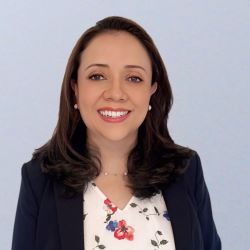
Headshot of NESCA Pediatric Neuropsychologist Dr. Luisa Hernandez MedellinAbout the Author

As a bilingual pediatric neuropsychologist, Dr. Hernandez Medellin conducts comprehensive and culturally sensitive neurodevelopmental and neuropsychological assessments, comprehensive diagnostic evaluations, and effective care plans, providing appropriate recommendations for the client’s school, home, and the community. She specializes in the identification and assessment of neurodevelopmental disorders such as Autism Spectrum Disorders, ADHD, developmental and learning disorders, and their co-occurrence with anxiety and mood disorders. She also works with children and young adults with acquired brain injuries, epilepsy, brain tumors, strokes, general medical conditions, and genetic disorders affecting the nervous system. She is a native Spanish-speaker, passionate about serving the eclectic and vibrant South Florida community, as well as international patients looking for high-quality and compassionate care.

To book evaluation services at NESCA in Coral Gables, Florida, complete NESCA’s online intake form. 

To book a neuropsychological evaluation or other services at NESCA’s New England offices, complete NESCA’s online intake form. 

NESCA is a pediatric neuropsychology practice with offices in Newton, Plainville, and Hingham, Massachusetts; Londonderry, New Hampshire; the greater Burlington, Vermont region; and Miami/Coral Gables, Florida, serving clients from infancy through young adulthood and their families. For more information, please email info@nesca-newton.com or call 617-658-9800.

Engineered for Excellence

By | NESCA Notes 2025

Image of NESCA clinicians conferring with each other and a quote from Dr. Ann HelmusBy Ann Helmus, Ph.D.
Founder & Director, NESCA

NESCA supports your clinician—so your clinician can support you and your child

When you choose NESCA, you’re not just hiring an individual clinician—you’re accessing an entire organization built to deliver excellence to each family who works with us. From the first intake call to the final report, every step of our process is designed to ensure quality, accuracy, and the best outcomes for your family. Parents invest in this process to resolve complex questions about their child’s learning, development, or emotional well-being—questions that can only be addressed by a thoughtful, thorough evaluation leading to recommendations that will truly make a difference.

At NESCA, we believe that the best way to provide this level of care is to take extraordinary care of our clinicians. Our equation is simple:

Lower Case Volume + High Clinician Support =

Exceptional Evaluations + Better Outcomes

Supporting Clinicians in Doing Their Best Work
In some practices and settings, clinicians face heavy caseloads, which can make it difficult to dedicate as much time to each child as they’d like. With larger caseloads, clinicians are often left with little time for reflection, professional growth, or collaboration. At NESCA, we intentionally structure things differently. We greatly value our clinicians as highly educated professionals with many years of training and provide them with the support, environment, and opportunity to produce their most thorough and careful work.

From the beginning, NESCA was intentionally designed for clinicians to typically work with six or fewer clients each month—a low volume compared to many other practices or settings. This structure ensures that every child’s evaluation receives the time, attention, and individualized analysis it deserves.

We Care for Our Clinicians—So They Are Able to Care for Your Child
Behind the scenes, our clinicians are supported in ways that are uncommon in many private practices:

  • Professional Development: Weekly seminars, ongoing mentorship, and access to senior clinical directors to ensure that every clinician is continually learning and growing.
  • Collaboration: Regular case conferences provide a forum for discussing complex cases and drawing on the expertise of their NESCA colleagues who specialize in multiple disciplines, providing well-rounded and forward-looking perspectives. Your child’s clinician is never working in isolation.
  • Dedicated Support Staff: Psychometricians handle test scoring, and administrative staff manage scheduling and logistics. This frees clinicians to focus entirely on the heart of their work—understanding your child.
  • Quality over Quantity: Because we are not driven by volume, clinicians can invest the time needed to observe your child carefully, analyze test results holistically, speak with educators and providers on your team, and craft thoughtful recommendations.

What This Means for Families
We know that clinicians do their best work when they feel secure, valued, and engaged. That’s why NESCA provides stability, top notch administrative support, and a professional community. When challenges arise, we work with our clinicians to resolve them, offering mentorship and guidance rather than leaving them to struggle and produce work that doesn’t meet NESCA’s high standards.

This culture of care is not just good for our staff—it’s essential to the families we serve. It means that when you come to NESCA, you are working with professionals who are deeply committed, well supported, and fully equipped to provide the highest quality evaluations and recommendations.

We take care of our clinicians so that they can take the best possible care of your child.


About the Author

NESCA Founder and Director Ann Helmus, Ph.D., is a licensed clinical neuropsychologist who has beenAnn Helmus headshot practicing neuropsychology for 35 years and has been director of NESCA’s Neuropsychology practice for nearly three decades, continuously training and mentoring  neuropsychologists to meet the highest professional standards.

To book a neuropsychological evaluation at NESCA, complete NESCA’s online intake form. 

NESCA is a pediatric neuropsychology practice with offices in Newton, Plainville, and Hingham, Massachusetts; Londonderry, New Hampshire; the greater Burlington, Vermont region; and Miami/Coral Gables, Florida, serving clients from infancy through young adulthood and their families. For more information, please email info@nesca-newton.com or call 617-658-9800.

young child undergoing a neuropsychological evaluation

Early Childhood Evaluations, Lifelong Impact: Why Acting Early Can Make All the Difference

By | NESCA Notes 2025

young child undergoing a neuropsychological evaluationBy Madeline Manning, Ph.D.
Pediatric Neuropsychologist, NESCA Hingham

Early childhood is a time of rapid development, marked by significant growth in physical, cognitive, social, and emotional domains. While every child develops at their own pace, sometimes parents, caregivers, or healthcare providers may notice certain behaviors and developmental patterns that raise questions or cause concern. In such scenarios, a neuropsychological evaluation can serve as a powerful tool to better understand a child’s specific needs and guide interventions to promote their overall growth and well-being.

Common Signs That a Neuropsychological Evaluation May Be Warranted

Identifying the need for a neuropsychological evaluation can be challenging, particularly for young children between the ages of 2 and 6, as this is a time when developmental milestones vary widely. The following signs may indicate that consulting with a qualified professional would be beneficial:

1. Developmental Delays

Children typically reach certain developmental milestones within specific age ranges. Delays in areas such as speech and language, fine and gross motor functioning, adaptive/self-care skills, or social interactions may signal the need for further evaluation. For example:

  • Absence of babbling or only making a few sounds by age 1
  • Not using word combinations by age 2 or speaking in simple sentences by age 3
  • Difficulties with walking, running, or grasping objects
  • Limited eye contact or lack of interest/engagement with peers
  • Unresponsive to their name being called
  • Limited use of gestures (pointing, waving) or facial expressions
  • Difficulties interpreting social cues in others (personal space, tone of voice, body language)

2. Behavioral Challenges

While tantrums and emotional outbursts are common in young children, persistent or extreme behavioral issues may require closer attention. These might include:

  • Frequent, intense, prolonged meltdowns that are difficult to soothe
  • Aggressive behaviors toward others or self-harm
  • Frequent property destruction
  • Unusual rigidity or resistance to transitions and changes in routine

3. Attention and Focus Issues

Young children have naturally short attention spans and are often very active; however, indicators such as an inability to engage with toys or activities for any length of time, or frequently seeming to be in their “own world,” might suggest underlying difficulties.

Attention deficits do not always stem from an attention-deficit/hyperactivity disorder, and may have a myriad of different etiologies, including anxiety, sleep problems, trauma, learning problems, impairment in vision or hearing, or other underlying medical conditions. Neuropsychological evaluations can help to better understand the cause of inattention, which can provide a crucial roadmap to helping address the behaviors.

4. Sensory Sensitivities

A child who is unusually sensitive to sounds, textures, lights, or smells (or in contrast, seems under-responsive to sensory input) may benefit from an evaluation. Sensory sensitivities can impact daily routines and interactions.

5. Regression in Skills

If a child starts to lose previously acquired skills, such as language, motor, or adaptive abilities, this could be a red flag that warrants close attention and prompt assessment.

6. Medical Complexities

A child who has a known history of medical complications (e.g., premature birth, low birth weight, chronic illness, neurological insult, such as stroke or seizures, in utero substance exposure, head injury) may require a neuropsychological evaluation early in life to identify potential developmental challenges and to guide timely interventions that support their growth and learning.

7. Family History

Parents and caregivers of children with a family history of neurodevelopmental disorders, such as autism spectrum disorder (ASD), attention-deficit/hyperactivity disorder (ADHD), and/or learning disabilities, should closely monitor their child’s developmental progress, as these children are at increased risk for developmental challenges.

It’s important to remember that every child learns at their own pace, and variations in reaching milestones are often a normal part of development. Noticing delays or differences does not always mean there’s a major cause for concern. However, if you do have questions or observations you’d like to explore further, speaking with your child’s primary care provider or consulting with a pediatric neuropsychologist can be a helpful step in understanding whether a neuropsychological evaluation may be beneficial.

Families may find the following resource helpful as a detailed guide to understanding the key milestones to watch for at various stages of development:  https://www.cdc.gov/ncbddd/actearly/milestones/index.html

The Benefits of Neuropsychological Evaluations for Young Children

Neuropsychological evaluations are comprehensive assessments that examine how a child’s brain development impacts their behavior, learning, communication, and overall functioning. For children aged 2 to 6, these evaluations are particularly beneficial for several reasons:

1. Early Detection and Intervention

When detection of developmental delays and appropriate intervention begins during these formative, early years, children are set up with the best opportunity to develop essential skills during their most receptive learning period. The earlier challenges are identified, the sooner targeted interventions can begin, which is critical as early intervention has been shown to lead to better long-term outcomes, aiding in the child’s future cognitive, social-emotional, and academic success.

2. Comprehensive Understanding, Guidance, and Coordinated Support

Neuropsychological evaluations offer a thorough understanding of a child’s cognitive strengths and challenges, emotional well-being, and social skills. This holistic approach enables caregivers and professionals to gain insight into the child’s unique learning style, allowing for tailored interventions that address their specific needs.

For parents and educators who may feel overwhelmed or uncertain about how to best support children with developmental delays or dysregulation, these evaluations can provide clear guidance and practical recommendations. These may include strategies to implement at home and in the classroom, therapeutic options, or referrals to specialized services. Additionally, neuropsychological evaluations serve as a roadmap for coordinating essential therapies, such as speech, occupational, physical, behavioral, or parent-child interaction therapies, while facilitating communication among the various professionals involved. This collaborative approach ensures that adults across different settings can work together effectively to support the child’s overall development and well-being.

3. Tracking Progress

Early childhood neuropsychological evaluations establish a baseline to understanding a child’s early cognitive, emotional, and social functioning. These assessments provide a starting point from which progress can be accurately tracked over time. Once children begin receiving developmental support, regular neuropsychological re-evaluations, typically every 2 to 3 years, may be essential in monitoring progress, assessing the effectiveness of interventions, and making timely adjustments to treatment plans as needed.

Embracing the Journey Towards Greater Understanding

The idea of a neuropsychological evaluation may initially feel daunting to some parents, yet it’s important to view an evaluation as a proactive step toward better understanding and nurturing a child’s potential. Every child deserves the opportunity to thrive, and sometimes that journey begins by asking questions, seeking answers to potential barriers in their development, and embracing the valuable insights a neuropsychological evaluation can offer.

By recognizing the signs early and accessing the appropriate resources, caregivers can help to empower their children with the tools and support they need to flourish. Ultimately, the goal is not merely to address identified challenges, but to celebrate, embrace, and amplify the countless ways in which a child can grow and excel.


About Dr. Madeline Manning

Dr. Madeline Manning is committed to providing comprehensive, collaborative evaluations that helpMadeline Manning, PhD Headshot families better understand their child’s unique neurocognitive, developmental, learning, and social-emotional profiles. She specializes in the assessment of toddlers, school-aged children, adolescents, and young adults. Her expertise involves working with youth exhibiting a diverse range of clinical presentations, including neurodevelopmental disorders, such as autism spectrum disorder, attention and executive functioning deficits, learning disabilities, developmental delays, intellectual disabilities, and associated emotional challenges. Dr. Manning is also trained in the assessment of children with medical complexities, recognizing how health conditions can impact a child’s development and functioning. She partners closely with families to develop practical, personalized recommendations that support each individual’s success and growth at home, in school, and within the community.

To book a neuropsychological evaluation at NESCA, complete NESCA’s online intake form. 

NESCA is a pediatric neuropsychology practice and integrative treatment center with offices in Newton, Plainville, and Hingham, Massachusetts; Londonderry, New Hampshire; the greater Burlington, Vermont region; and Brooklyn, New York (coaching services only) serving clients from infancy through young adulthood and their families. For more information, please email info@nesca-newton.com or call 617-658-9800.

Madeline Manning Headshot and quote

NESCA Welcomes Neuropsychologist Madeline Manning, Ph.D., to its Hingham Location

By | NESCA Notes 2025

Madeline Manning Headshot and quoteBy Jane Hauser
Director of Marketing & Outreach, NESCA

I recently had the opportunity to get to know the most recent clinician to join NESCA’s neuropsychology practice, Madeline Manning, Ph.D. Dr. Manning is a wonderful addition to NESCA’s Hingham location, where she joins Dr. Moira Creedon in serving families on the South Shore. I hope you can take the time to get to know more about her as well.

Tell us about your background.

My background in pediatric neuropsychology has been shaped within academic medical centers, where I’ve had the privilege of working with children and families navigating complex medical and developmental challenges. During my doctoral training at Northeastern University, my clinical experiences focused primarily on understanding neurocognitive, behavioral, and social-emotional functioning in children with medical complexities—such as epilepsy, brain tumors, cardiac conditions, and genetic disorders—and how these health conditions impact a child’s overall well-being and day-to-day life.

This foundation led me to an APA-accredited internship at Nicklaus Children’s Hospital in Miami, Florida, where I received rich and diverse training in both neuropsychological assessment and therapeutic modalities. It was there that I deepened my understanding of neurodevelopmental disorders and how they often co-occur with complex medical and psychiatric presentations.

From there, I completed a two-year clinical post-doctoral fellowship at Massachusetts General Hospital/Harvard Medical School. At MGH, I gained extensive experience assessing youth with a wide range of neurodevelopmental presentations—including autism spectrum disorder, ADHD, learning disabilities, and complex profiles where psychiatric, neurological, and socioecological factors all play a role.

Throughout this journey, I’ve been incredibly fortunate to learn from and be supported by dedicated mentors, supervisors, and colleagues. Their guidance has been instrumental in shaping the clinician I am today, and I’m excited to bring that training and experience into my work with children and families at NESCA.

You mentioned your experience working with patients with medical complexities. Can you tell us more about who you worked with?

During my internship at Nicklaus Children’s Hospital, I had the opportunity to work closely with medically complex pediatric populations. I provided neuropsychological assessments for children with epilepsy undergoing Phase 1 pre-surgical evaluations, helping to inform surgical planning and overall treatment decisions. I also assessed patients referred through the oncology, hematology, and neurogenetics clinics, which gave me valuable insight into how medical conditions and treatments, such as chemotherapy, can affect cognitive, emotional, and behavioral functioning.

During my postdoctoral fellowship at MGH, I continued to build on this foundation. While many of the presenting concerns for patients were centered around neurodevelopmental and psychiatric symptoms, I also had the opportunity to work with young patients navigating complex medical conditions—including pediatric stroke, epilepsy, and a range of genetic disorders.

These experiences further strengthened my understanding of how neurodevelopmental, medical, and psychiatric factors interact in shaping a child’s development. They also enhanced my ability to conduct comprehensive, individualized evaluations that consider the whole child—not just the diagnosis—and offer tailored recommendations to support them across settings.

What made you explore a new opportunity?

I’m someone who truly values lifelong learning, which in large part is why I’ve appreciated working in hospital settings—they’re often centered around collaboration, teaching, and tackling complex clinical questions as a team. That environment has been incredibly formative for me. At this point in my career, I feel ready—and genuinely excited—to transition into a group practice setting, and NESCA felt like the perfect fit. Their strong commitment to teamwork, continued education, and high-quality, individualized care really stood out to me.

On a more personal note, I recently became a mom, and embracing this new season of life has been so meaningful. Finding a role that allows me to continue growing as a neuropsychologist in a supportive, mission-driven environment, while also being closer to home and more present for my family, is something I feel incredibly grateful for.

Why were you interested in joining NESCA?

NESCA’s mission is closely aligned with my values—both as a clinician and as a person. I’ve long admired NESCA’s reputation for providing the highest level of care to families, and that made me eager to learn more about the organization. When I met Dr. Ann Helmus, NESCA’s founder and director, I was deeply impressed by her dedication to fostering a positive team culture, while also holding an unwavering commitment to clinical excellence. I’ve felt that same sense of respect and appreciation in the way everyone I’ve spoken to during my transition has been incredibly welcoming and clearly proud to be part of this team.

What also excites me about joining NESCA is how it offers the best of both worlds—an organization with the flexibility of a group practice that also emphasizes collaboration and continued learning, similar to a hospital setting. The weekly case conferences and team meetings create a space for discussing clinical questions, sharing resources, and learning from one another, which fosters professional growth and ultimately allows us to provide exceptional care to the families we support. I feel so fortunate to be joining the team at NESCA, and I can’t wait to get started!

What do you think you will be able to bring to NESCA?

What I look forward to bringing to NESCA is my strong foundation in both clinical assessment and developmental psychology, as well as my passion for supporting children and their families with empathy and care. My training has equipped me to evaluate youth across developmental stages—from as young as 2 years old through young adulthood— experiencing a wide range of challenges. I approach each case with a commitment to understanding the whole child and place a strong emphasis on collaboration—with families, schools, and medical providers—to ensure that my evaluations translate into meaningful, practical recommendations. My goal is also to empower families with the knowledge and tools they need to support their child’s growth, and I strive to bring a warm, patient, and culturally sensitive approach to every case.

You will be joining NESCA’s Hingham office? Who will you be seeing there?

At NESCA’s Hingham office, I’ll be seeing a diverse range of children, adolescents, and young adults who are navigating complex neurodevelopmental, social-emotional, and/or medical challenges. This includes children with autism spectrum disorder, ADHD, learning disabilities, developmental delays, executive functioning difficulties, and those managing health-related conditions that impact cognitive and emotional development.

I’m especially looking forward to supporting families who may be seeking clarity around a diagnosis, looking for school-based recommendations, or working through transitions—whether that’s entering preschool, kindergarten, middle school, or preparing for high school and post-secondary life. I’m excited to collaborate with NESCA’s talented team of clinicians and to contribute to the high-quality, comprehensive evaluations that NESCA is known for.

You live on the South Shore. Why is it important to serve families in the South Shore communities?

As a South Shore native, I know there is a high level of need in this area for quality neuropsychological services. Families here are often traveling long distances in order to obtain the level of care their children need, which adds stress and limits access to services, especially for younger children or those with complex needs. That’s why it’s so exciting that NESCA has expanded its practice to Hingham!

There’s a real gap in local resources on the South Shore, and NESCA’s decision to meet families where they are at reflects a deep understanding of both the clinical and practical needs of this community. I’m thrilled to be part of that effort and to contribute to making high-quality neuropsychological care more accessible to families in this region.

Is there anything else you would like the NESCA community to know about you?

I’d love for the NESCA community to know that I’m deeply passionate about helping youth and families feel seen, understood, and supported every step of the way. I take a collaborative approach and aim to make the evaluation process not only informative, but also empowering, compassionate, and grounded in each child’s strengths.

Outside of clinical work, I am someone who values community, connection, and balance. I love being outdoors, spending time with family, and staying active—which helps keep me grounded and present in the work I do.

I’m truly honored to be joining the NESCA team, and I’m excited to grow alongside such an experienced and thoughtful group of professionals while contributing to the care of families in my own community.


About Dr. Madeline Manning

Dr. Madeline Manning is committed to providing comprehensive, collaborative evaluations that helpMadeline Manning, PhD Headshot families better understand their child’s unique neurocognitive, developmental, learning, and social-emotional profiles. She specializes in the assessment of toddlers, school-aged children, adolescents, and young adults. Her expertise involves working with youth exhibiting a diverse range of clinical presentations, including neurodevelopmental disorders, such as autism spectrum disorder, attention and executive functioning deficits, learning disabilities, developmental delays, intellectual disabilities, and associated emotional challenges. Dr. Manning is also trained in the assessment of children with medical complexities, recognizing how health conditions can impact a child’s development and functioning. She partners closely with families to develop practical, personalized recommendations that support each individual’s success and growth at home, in school, and within the community.

To book a neuropsychological evaluation at NESCA, complete NESCA’s online intake form. 

NESCA is a pediatric neuropsychology practice and integrative treatment center with offices in Newton, Plainville, and Hingham, Massachusetts; Londonderry, New Hampshire; the greater Burlington, Vermont region; and Brooklyn, New York (coaching services only) serving clients from infancy through young adulthood and their families. For more information, please email info@nesca-newton.com or call 617-658-9800.

Map of Hingham, MA and quote by Dr. Moira Creedon

Strengthening the South Shore Community: Supporting Our Children, Teens, and Adults

By | NESCA Notes 2024

Map of Hingham, MA and quote by Dr. Moira CreedonBy: Moira Creedon, Ph.D. 
Pediatric Neuropsychologist, NESCA

It was an exciting dream realized when our NESCA South Shore office in Hingham opened in November 2023. As a resident of the South Shore, I was looking forward to connecting to my community closer to home. I was expecting to enjoy a shorter commute and great location. Pausing to reflect after 16 months with our doors open in Hingham, I realize that it is so much more.

I am grateful for how quickly we were welcomed by pediatricians, therapists, psychiatrists, tutors and executive functioning coaches, attorneys, advocates, and public and private schools. We have all quickly aligned on the needs of our communities. There are many children, teens, and adults struggling with gaps in learning, trouble with social connections, high anxiety, depressed mood, and behavioral troubles. Many of these collaborations have also communicated the frustration and sense of burnout facing families who feel like they have been working hard and trying to make changes. Teachers feel discouraged when they have dedicated their hearts and minds to support students, and yet students continue to struggle. Adults are also going through this in record numbers. The experience in our community is universal – it’s so hard to watch our kids, teens, young adults, and our contemporaries struggle.

This can leave many wondering if neuropsychological testing is just one more “hoop” to jump through. Within the trenches of the daily struggle, it can be hard to see how testing might help – especially when change is so slow. I do all that I can to explain why neuropsychological testing is way more than a hoop; it can be a roadmap. How?

  1. Even if you or your child has had “evaluations before,” neuropsychological testing is a chance at an integrated and comprehensive evaluation. What does that mean? It means that if you have had pieces of testing before, you still have a pile of pieces – an educational evaluation from school, a private OT evaluation, an early speech evaluation, a diagnostic interview with a therapist, etc. My goal is to take all of those pieces, plus the new ones I add, and put them together into one cohesive puzzle demonstrating how a child or teen thinks and learns.  This is one of the reasons NESCA does academic testing as part of its testing batteries, because these pieces are essential for diagnostic clarity, to see how the profile impacts a person’s real life skills/functioning, and because being a student is a kid or teen’s full time job. It’s not a piece to be overlooked.
  2. Neuropsychological testing can be a chance to understand the “why” when there are many complicated layers. When an individual is struggling, we often start in the middle of the process. Often, parents and/or schools want to try to solve the problem with school support, or interventions such as a referral to a therapist or connection to a social skills group. When those efforts stall, the impulse is to try a different solution.  Neuropsychological testing lets us step back, learn about a larger profile or picture of all aspects of a child’s learning or thinking to make meaning of what is happening. Then, we can choose a path for intervention that has the best chance of success. When a child is struggling, trying to see what works in a way that’s not fully informed or that addresses the child as a whole, is often not the best use of time and resources. The same goes for adults who seem to be missing a piece of their own puzzle.
  3. Neuropsychological testing uses the data collected from the testing to outline the steps for what to do next. Any good plan needs a detailed understanding of a problem. Oftentimes, it’s a combination of services that are needed – in the community, at home, and/or at school. It can be hard to figure out how to prioritize the steps, and it’s important to consider what is realistic and feasible. Neuropsychological evaluation can help make those steps clearer.
  4. Neuropsychological testing can give us a good baseline and measure of progress. Caretakers know their children best, so they can often spot subtle issues before they bloom into the bigger issues. Neuropsychological testing can be proactive, and it can help to track how a student responds to interventions. We can also use neuropsychological testing to maximize potential, including how students find their strengths, build their “academic diet” of courses in high school and college, and build stronger study skills along the way.
  5. At NESCA, neuropsychological testing involves important collaboration, perspective, and insight. The reason I mention the community that I’ve met through our South Shore office is because collaboration is key. The observations and insight offered by anyone who comes in contact with a child or teen is invaluable. Standardized test measures are a critical piece of the puzzle, but it’s one part of the critical triad of history, observations, and testing. These collaborations are also helpful to keep the neuropsychological test report “alive” as the community putting the recommendations into action works best through communication.

In the upcoming year, we set many goals for NESCA as a leader in our field. I want to pledge to my community that we will continue to provide the highest quality care and to respect and value our clients and families.  We will continue to build connections to our community members to join the efforts in supporting children, teens, and young adults. I am thrilled for upcoming opportunities to learn and grow alongside you all.  I am deeply grateful to be part of the South Shore community supporting children, teens, and young adults.


About the Author

Dr. Creedon offers her expertise in evaluating children and teens with a variety of presenting issues. SheMoira Creedon headshot is interested in uncovering an individual’s unique pattern of strengths and weaknesses to best formulate a plan for intervention and success. She tailors each assessment to address a range of referral questions, such as developmental disabilities, including Autism Spectrum Disorder, learning disabilities, attention challenges, executive functioning deficits, and social-emotional struggles. She also evaluates college-/grad school-age/adult individuals with developmental issues, such as ASD and ADHD, particularly when there is a diagnostic clarity or accommodation question.


If you are interested in booking an evaluation with Dr. Creedon or another NESCA neuropsychologist, please fill out and submit our online intake form. 


NESCA is a pediatric neuropsychology practice and integrative treatment center with offices in Newton, Plainville, and Hingham, Massachusetts; Londonderry, New Hampshire; the greater Burlington, Vermont region; and Brooklyn, NY (coaching services only) serving clients from infancy through young adulthood and their families. For more information, please email info@nesca-newton.com or call 617-658-9800.

Image of clinicians collaborating around a conference table

Why I Started a Group Pediatric Neuropsychology Practice

By | NESCA Notes 2024

Image of clinicians collaborating around a conference tableBy Ann Helmus, Ph.D.
Founder and Director, NESCA

In the field of pediatric neuropsychology, the complexities of child development and the wide array of diagnoses children may face can often be overwhelming for any one practitioner to fully grasp. With this in mind, I chose to open NESCA’s doors as a group practice back in 2007. The advantages of a group practice model were clear to me then and have become even more critical in today’s environment – and with today’s challenges facing children – particularly when it comes to addressing the varied and intricate needs of our young clients and their families.

When I was creating NESCA, I was a mother with much younger children than they are now and thought about the concept of breaking out as a solo practitioner. I was skilled and had plenty of years of education and experience by that time. I knew I could have done it – and likely had much more flexibility and far less stress in my life at a time when that was hard to come by – but, I loved (and still do) the concept of “group think” far too much to go that route.

Group think – or today’s “hive mind” – to me meant bringing together multiple minds to tackle a problem. A group allows for different perspectives to come together, often leading to creative, outside-the-box solutions for families that may not have been considered by me alone, even after seeking outside consultation with another practitioner. My decision to build NESCA as a group practice has since led to a constant cross-pollination of ideas among our group of expert clinicians, through scheduled weekly seminars and case conferences as well as the more casual in-office discussions. All of this collaboration enhances the care we provide and ensures that the recommendations we make are as comprehensive, vetted, and tailored as possible.

From the beginning, we have been and remain committed to offering the highest level of care, and one of the key ways we do this is by nurturing the collaborative environment that NESCA was founded on. We started out as a small group practice with several colleagues who had been working together in a separate organization. Since then, we have grown into a larger team of diverse clinicians and specialists who together have expertise in every diagnosis that presents itself. Each NESCA clinician has their own strengths and areas of focus, allowing our entire team to draw from this collective pool of knowledge. No matter what challenge a child is facing – whether it’s ADHD, autism, a specific learning disorder, or an emotional regulation issue – we can pair them with a clinician who has in-depth experience and a keen understanding of that particular diagnosis.

In addition to specialized knowledge, working as part of a group also provides the invaluable opportunity to check our thinking. Even as highly seasoned professionals who have been assessing and evaluating clients for decades, we still benefit from feedback and fresh perspectives of our colleagues and their own networks. And in a group setting, colleagues are available to consult, offer second opinions, and share resources and recommendations. This collaborative approach ensures that our evaluations and recommendations are not only thorough but also well-rounded, and likely discussed among our team, leading to more accurate diagnoses and more effective interventions and treatment plans.

Ultimately my choice to develop and grow a group practice means that our clients receive the benefit of our individual and collective expertise, collaboration, and shared insights. I’m so grateful that families who come to NESCA are able to benefit from our many minds working together toward the same goal: helping each child or individual reach their full potential. This level of care is why we believe so deeply in the group practice model.


About the Author

NESCA Founder/Director Ann Helmus, Ph.D. is a licensed clinical neuropsychologist who has been practicing for almost 30 years. In 1996,Ann Helmus headshot she jointly founded the Children’s Evaluation Center (CEC) in Newton, Massachusetts, serving as co-director there for almost 10 years. During that time, CEC emerged as a leading regional center for the diagnosis and remediation of both learning disabilities and Autism Spectrum Disorders.

In September of 2007, Dr. Helmus established NESCA (Neuropsychology & Education Services for Children & Adolescents), a client and family-centered group of seasoned neuropsychologists and allied staff, many of whom she trained, striving to create and refine innovative clinical protocols and dedicated to setting new standards of care in the field.

She is an active participant in the Trauma and Learning Policy Initiative, a collaborative effort between Massachusetts Advocates for Children and Harvard Law School’s Education Law Clinic, a project involving a multi-disciplinary group of professionals working together to better define and meet the educational needs of children who have been traumatized.

She received her undergraduate degree in Neural Science from Brown University and earned her doctorate at Boston University School of Medicine. Her postdoctoral fellowship in pediatric neuropsychology was completed at Children’s Hospital in Boston, where she remained on staff for seven years. Concurrently, she served as neuropsychologist to the Pediatric Brain Tumor Clinic at Dana-Farber Cancer Institute in Boston.

To book an appointment with NESCA’s expert neuropsychologists, please complete our Intake Form today. 

NESCA is a pediatric neuropsychology practice and integrative treatment center with offices in Newton, Plainville, and Hingham, Massachusetts; Londonderry, New Hampshire; the greater Burlington, Vermont region; and Brooklyn, New York (coaching services only) serving clients from infancy through young adulthood and their families. For more information, please email info@nesca-newton.com or call 617-658-9800.


school student frustrated over the work

Navigating the Post-Honeymoon Phase: Signs Your Child May Need Support This School Year

By | NESCA Notes 2024

school student frustrated over the workBy Miranda Milana, Psy.D.
Pediatric Neuropsychologist

With the start of the school year well underway, we are beginning to see students and teachers settling into their classroom routines. Along with this increase in familiarity and comfortability, parents often start to see bits and pieces of challenges arise around this time of year that may have gone unnoticed during the initial “honeymoon period.” You may be wondering what challenges you should be looking out for and when those challenges warrant an evaluation to determine further supports and services. Let’s take some time to explore what to keep an eye on, and when it might be time to reach out to schedule an evaluation to dive a bit deeper into what is going on. 

Academics

No matter their age, if you ever feel your child is inundated and overwhelmed with schoolwork, it is a great idea to reach out to their teachers; ask how long homework should be taking and whether it should feel like review vs. new material. If homework starts to consistently become a battle, it might be worth taking a closer look into why. It could be because it’s a new and appropriately challenging course. It could also be because there are underlying language-based learning disabilities, a nonverbal learning disability, executive function challenges, or increasing symptoms of anxiety or depression. Some specific things to watch for:

  • Frequent tears during homework that appear to get worse instead of better
  • Not appearing to “get it” even after review and repetition
  • Difficulty studying/holding information in memory
  • Dysfluent reading or not understand what they’ve read
  • Challenges understanding math concepts or memorizing math facts
  • Difficulty applying and generalizing concepts
  • Opposition to handwriting tasks or when asked to compose a writing assignment
  • Poor penmanship that is illegible and/or immature for age
  • Not meeting benchmarks on assessments

Social Skills

At this point in the school year, children are typically starting to be interested in other peers within their classrooms. For younger kids, they are likely to feel more comfortable interacting with other children in their play. Common social concerns can include:

  • Not remembering any names or faces of kids in their class
  • Preferring to play alone, hesitant to join in with a group
  • Appearing unaware of social cues or how to initiate conversation with others
  • Rigidity in play—always wanting to play their own game by their own specific rules
  • Frequent peer conflicts and feeling rejected or left out

Emotional Functioning

A new school year often elicits feelings of anxiety in kids no matter how outgoing and social they may be! When might it be a sign that there is something more?

  • Continued and persistent resistance to going to school
  • Frequent somatic complaints with no apparent cause (e.g., headaches, stomachaches)
  • Change in sleeping patterns – not being able to fall asleep at night or waking up frequently
  • Difficulty with regulating their emotions/frequent tantrums
  • Changes in appetite
  • Negative statements about themselves
  • Increase in irritability
  • Withdrawal from others or previously preferred activities
  • Always wanting to know what is happening next and struggling with changes in routine (i.e., Does a substitute teacher derail their whole day? If a friend is out sick, is there a perseveration on where they are? Do you wait to tell them about changes in plans so they don’t worry in advance?)

Attention/Focus

Have you ever found yourself feeling restless and distracted when sitting through a work meeting? Kids are no different! Sitting still and paying attention for extended periods of time can be really tough – especially after being on summer break! Here are a few things to keep an eye on:

  • Frequently fidgeting in their seat or needing a fidget item to increase concentration
  • Difficulty with multi-step directions
  • Not remembering information presented during lectures
  • Acting impulsively
  • Easily distracted/daydreaming
  • Acting as if run by a motor
  • Blurting out thoughts, interrupting conversations
  • Teacher feedback that they are interrupting other students or not able to sit quietly and attend to class discussions

As always, you know your child best! If you feel like this year is off to a rocky start, or you’re starting to have questions regarding their functioning, do not hesitate to reach out and schedule an evaluation. A comprehensive neuropsychological evaluation is designed to look at ALL aspects of a child to determine what is getting in their way of reaching their potential. We are always here to help!


About the Author

Dr. Miranda Milana provides comprehensive evaluation services for children and adolescents with a wide range of concerns, includingMiranda Milana Headshot attention deficit disorders, communication disorders, intellectual disabilities, and learning disabilities. She particularly enjoys working with children and their families who have concerns regarding an autism spectrum disorder. Dr. Milana has received specialized training on the administration of the Autism Diagnostic Observation Schedule (ADOS).

Dr. Milana places great emphasis on adapting her approach to a child’s developmental level and providing a testing environment that is approachable and comfortable for them. She also values collaboration with families and outside providers to facilitate supports and services that are tailored to a child’s specific needs.

Before joining NESCA, Dr. Milana completed a two-year postdoctoral fellowship at Boston Children’s Hospital in the Developmental Medicine department, where she received extensive training in the administration of psychological and neuropsychological testing. She has also received assessment training from Beacon Assessment Center and The Brenner Center. Dr. Milana graduated with her B.A. from the University of New England and went on to receive her doctorate from William James College (WJC). She was a part of the Children and Families of Adversity and Resilience (CFAR) program while at WJC. Her doctoral training also included therapeutic services across a variety of settings, including an elementary school, the Family Health Center of Worcester and at Roger Williams University.

Dr. Milana grew up in Maine and enjoys trips back home to see her family throughout the year. She currently resides in Wrentham, Massachusetts, with her husband and two golden retrievers. She also enjoys spending time with family and friends, reading, and cheering on the Patriots, Bruins, Red Sox, and Celtics.​

To book an appointment with Dr. Miranda Milana or another expert NESCA neuropsychologist, please complete our Intake Form today. 

NESCA is a pediatric neuropsychology practice and integrative treatment center with offices in Newton, Plainville, and Hingham, Massachusetts; Londonderry, New Hampshire; the greater Burlington, Vermont region; and Brooklyn, New York (coaching services only) serving clients from infancy through young adulthood and their families. For more information, please email info@nesca-newton.com or call 617-658-9800.


Child in bed suffering from a concussion, holding their head in pain

What School Supports Does My Child Need After A Concussion?

By | NESCA Notes 2024

Child in bed suffering from a concussion, holding their head in painBy: Alison Burns, Ph.D.
Pediatric Neuropsychologist, NESCA

Unfortunately, every year, many children and adolescents experience concussions. A concussion is a mild traumatic brain injury that occurs when an individual sustains a blow to the head or body that results in the brain moving rapidly back and forth. This causes the brain to stretch and strain, resulting in a vast array of possible symptoms. Symptoms of a concussion include:

list of physical, cognitive, emotional, and sleep concussion symptoms

Recent studies have shown that while it is important to rest for the initial few days after an injury, slowly reengaging in cognitive activities at a tolerable level helps to promote recovery. This period of rest followed by a slow increase in cognitive activity means that children are often out of school/slowly transitioning back to school for an unspecified period after injury. As such, many children will benefit from support and accommodation at school during the recovery period. Parents are encouraged to talk to their child’s academic team and school personnel to discuss the need for these supports. As children and adolescents experience differing sets of symptoms after an injury, the accommodations and supports should be tailored to the individual’s unique symptom profile.

Physical Symptoms: Students who experience headaches or fatigue may benefit from rest breaks or even a nap during the school day. Dizziness, balance problems, or nausea may necessitate the need for an elevator pass and it may be helpful for the student to transition to class before the bell rings when there are less people to navigate around in the hallway. Light and noise sensitivity can be particularly hard within the school setting. Students may need to wear sunglasses or a hat, be seated away from the window, and may need teacher notes as looking at a smartboard may be painful. In addition, computer-based work may need to be printed during the recovery period for light sensitive students. Students with noise sensitivity may need to wear ear plugs, avoid crowded and noisy areas, such as the lunchroom, assemblies, or music class, and they may need to transition to the next class before the bell rings and the hallway becomes noisy.

Cognitive Symptoms: A concussion can temporarily impact an individual’s attention, executive functioning skills, and processing speed. Therefore, it may be necessary to reduce a child’s workload (e.g., odd/even problems only, outline a paper instead of writing it fully, reduce homework load) and assign only essential work (i.e., waive non-essential assignments, quizzes, and tests). In addition, it may be helpful to break down tasks into smaller “chunks,” repeat information or instructions, and allow for extended time to complete essential classwork, quizzes, and tests. They may need access to teacher notes if they are unable to keep up with the pace of the instruction to take proper notes, and they may need information presented in a slower manner or repeated to ensure comprehension. Teachers should consider alternative ways to ensure mastery of information (e.g., oral discussion, multiple choice instead of open-ended questions) as students may not be able to demonstrate their true knowledge in standard ways while recovering from a concussion. Tests and quizzes should only be given if symptoms do not interfere, and the student is adequately prepared.

Emotional Symptoms: Emotional symptoms following concussion are often overlooked as they are not a commonly known symptom of concussion. Some children and adolescents may become overwhelmed about missing school and the accumulating workload, and they may feel isolated from their friends. This would also suggest the need to reduce a child’s workload for a short period of time, including waiving non-essential assignments, quizzes, or tests. Students should also be allowed to socialize with their peers as tolerated (e.g., quiet lunch setting with a few close friends).

Sleep Symptoms: A child or adolescent experiencing sleep difficulties as a result of their concussion may not have the energy to complete a full day of school. They may need a later start time or only be able to complete a half day of school. Some students with disrupted sleep may be able to complete a full school day, but they may require a nap in the nurse’s office.

In sum, a concussion presents in many ways and often has a significant impact on the day-to-day functioning of a child or adolescent. In particular, school is often disrupted after a concussion, even for children and adolescents who have a short recovery. School supports and accommodations should be tailored to the child’s individual profile of symptoms to best support them throughout their recovery.


About the Author

Dr. Burns conducts comprehensive evaluations of school-aged children, adolescents, and young adults with a variety of developmental, learning, and emotional difficulties. She has expertise in the evaluation of individuals following a concussion/mild traumatic brain injury and particularly enjoys working with individuals with attention (ADHD) and executive functioning (EF) difficulties. Dr. Burns is passionate about helping individuals and their families better understand their areas of strength and weakness and provides tailored treatment recommendations based upon that unique profile to make the evaluation most helpful for each client.


To book a consultation with Dr. Burns or one of our many other expert neuropsychologists, complete NESCA’s online intake form.

NESCA is a pediatric neuropsychology practice and integrative treatment center with offices in Newton, Plainville, and Hingham, Massachusetts; Londonderry, New Hampshire; the greater Burlington, Vermont region; and Brooklyn, New York (coaching services only) serving clients from infancy through young adulthood and their families. For more information, please email info@nesca-newton.com or call 617-658-9800.

Filled backpack ready for the first day of school

How to Prepare Students with Autism for the New School Year

By | NESCA Notes 2024

Filled backpack ready for the first day of schoolBy: Renee Cutiongco Folsom, Ph.D.
Pediatric Neuropsychologist

I know that summer is about to end here in New England when I see posts on Facebook from my West Coast friends about their children’s first day of school and when every other commercial on TV is heralding back-to-school sales. A little sense of panic sets in, because of all the preparations needed for children going back to school. In my work with children with special needs, one group that often struggles with transitions such as these is children with Autism Spectrum Disorder.

Autism Spectrum Disorder (ASD) is a developmental disorder that manifests in challenges with social communication and interaction, and in the presence of repetitive, restricted behaviors that significantly impact functioning. One of the symptoms of ASD is difficulty with transitions. Some children with ASD get really upset with even slight changes in routines or plans. This is the reason why the start and end of the school year is often difficult for them. Here are some strategies for helping children with ASD transition back to school. They can also be used for any child to prepare for any transition, major or minor.

Visit the new school/classroom – A lot of schools are already doing this, but a visit to a new school or classroom a few days before the official start of school could help your child get acclimated to their new environment or teacher. Teachers usually report for work the week before the first day of school to prepare their rooms. Set a time to meet with the new teacher and let them provide your child with a tour of the room and other areas, such as the library or cafeteria. Show the child their desk and cubby. Tell them about the schedule posted on the board. This will ease some of your child’s fears and anxieties about the first day of school.

Use social stories – Social stories are written or illustrated stories that present information about social situations. Developed by educational consultant, Carol Gray, they instruct students about what to do or say in social situations, for example, the first day of school, together with information about other people’s motives or expectations. Using pictures from the school visit above, you can create a social story about the first day of school that talks about what to expect, directives about what your child can do or say, and the reason behind these actions. Here is an example of part of a social story for the first day of school:

  • This is Ms. Smith, my new teacher. She is very nice.
  • My mom and I walk to my classroom.
  • Smith is there to greet me. I look at her and smile.
  • I say goodbye to my mom and give her a big hug. She will come back at the end of the day to pick me up.
  • I enter the room and place my bag in my cubby. I find my desk and take my seat.
  • I look at the kid next to me and say, “Hi.” I want other kids to like me.

For help with creating social stories, you can go to https://carolgraysocialstories.com/social-stories/what-is-it/ or https://www.autismspeaks.org/templates-personalized-teaching-stories.

Use video modeling – In my work with children with autism, I often find that they are visual learners; they have better developed abilities in thinking and reasoning with pictures. And with the popularity of technology, such as iPads and smartphones, they are usually attracted to videos. Speech and language pathologist Linda Hodgdon, M.Ed., CCC-SLP (www.usevisualstrategies.com) has developed a strategy of using videos to teach skills/competencies for children and adolescents with ASD. In video modeling, you can bring your child to the new school/classroom a few days early with a video camera. You can record walking the hallways from class to class, opening the locker, going to the cafeteria or the gym, and other things they would need to do when school is in session. While you are filming, you can add dialogue explaining each item or place of interest. Then, your child/teenager can watch the video at home to prepare for the first real day of school when students will be there. Video modeling can also be used to prepare for other transitions/novel situations, such as preparing for a holiday or a new experience (e.g., riding a train, watching a movie, visiting a new restaurant).

Transitions are difficult because they require us to leave a place or state that we have been accustomed to and enter something that is unknown or unpredictable. Preparing ourselves for transitions by demystifying some of the unknowns can help us cope better with the anxiety that is inherent in these situations. I hope the suggestions above can help you and your child transition back to school.


About the Author

Dr. Renee Cutiongco Folsom, Ph.D. has been working with families in the greater Boston area since 2015. Prior to this, she was on staff at Johns Hopkins University and trained at the University of California, Los Angeles (UCLA). She provides comprehensive neuropsychological evaluations of children, adolescents, and young adults who have learning, behavioral, and socio-emotional challenges. Her areas of expertise include Autism Spectrum Disorder and other conditions that usually co-occur with this diagnosis; Attention-Deficit/Hyperactivity Disorder; Dyslexia and other Specific Learning Disabilities; and Anxiety/Depression. She thinks that the best part of being a pediatric neuropsychologist is helping change the trajectory of children’s lives.

To schedule an appointment with one of NESCA’s pediatric neuropsychologists, please complete our online intake form. 

NESCA is a pediatric neuropsychology practice and integrative treatment center with offices in Newton, Plainville, and Hingham, Massachusetts; Londonderry, New Hampshire; the greater Burlington, Vermont region, and Brooklyn, NY, serving clients from infancy through young adulthood and their families. For more information, please email info@nesca-newton.com or call 617-658-9800.


When Average Doesn’t Feel Like Average

By | NESCA Notes 2024

By: Yvonne Asher, Ph.D.
NESCA Pediatric Neuropsychologist

When we conduct a neuropsychological evaluation with a child, adolescent, or adult, one important component involves administering a battery of assessments. This is certainly not the only, or many times the most important, component, but it is part of the unique skill set of a neuropsychologist. A large percentage of these assessments are interpreted by comparing an individual’s performance to the performance of others who are similar in age. For example, we may compare an 8-year-old’s reading skills to the reading skills of a nationally-representative sample of 8-year-olds. This comparison helps us to understand if the child’s reading skills are generally below their peers, about at the same level as their peers, or above the level of their peers.

A nationally-representative sample of children may not be the most salient comparison for some families. In fact, the concerns that bring parents to a neuropsychologist in the first place can often include comparing their child to friends’ children, classmates, or other children in their community. This is an almost inescapable process. As parents, it is nearly impossible not to compare children – meeting milestones, academic skills, temperament, behavior, sociability, etc. Although it can have significant negative impact when done in front of a child or in a detrimental manner (e.g., “Why can’t you be more like Johnny?” “Susie has already figured that out and she’s younger than you!”), comparing your child to others can be valuable in specific circumstances. Many parents have little experience with child development before having children, and the children in their community and friend group can serve as helpful “guideposts” for what to expect at different ages. Many times, a parent has brought concerns to a neuropsychological evaluation along the lines of “my child seems different than my friends’ children/nieces and nephews/other kids at daycare,” and I have confirmed a significant disability or disorder was present. Parental instincts are valuable and can be an important first step.

However, there are times where comparing a child to a very specific set of other children can be a fraught process, particularly when seeking neuropsychological evaluation. Parents may live in an area or socialize with a group of families who are far from the nationally-representative samples that we utilize in our evaluations. Cousins and the children of close friends may have unusually well-developed skills, unusually calm or easy-going temperaments, or unusually easy progress through school. Children may be learning in a school environment that is extremely competitive, the result of a highly selective admissions process, or inaccessible to most of the general population. Any or all of these can make a child seem more impaired than neuropsychological assessments may indicate.

This is certainly not to discount valid, important parent concerns. A child who is far behind their classmates, even when those classmates are part of a highly selective school environment with academic expectations far beyond most schools, is still struggling and may be suffering. What is vital for parents to understand is the profile of their own child, and from where the challenges that they see are coming. A mismatch between a child and their environment, be it a social environment or an academic environment, can still result in real, impactful struggles – even if the child appears “average” on neuropsychological assessment measures.


About the Author

Dr. Yvonne M. Asher enjoys working with a wide range of children and teens, including those with autism spectrum disorder, developmental delays, learning disabilities, attention difficulties and executive functioning challenges. She often works with children whose complex profiles are not easily captured by a single label or diagnosis. She particularly enjoys working with young children and helping parents through their “first touch” with mental health care or developmental concerns.

Dr. Asher’s approach to assessment is gentle and supportive, and recognizes the importance of building rapport and trust. When working with young children, Dr. Asher incorporates play and “games” that allow children to complete standardized assessments in a fun and engaging environment.

Dr. Asher has extensive experience working in public, charter and religious schools, both as a classroom teacher and psychologist. She holds a master’s degree in education and continues to love working with educators. As a psychologist working in public schools, she gained invaluable experience with the IEP process from start to finish. She incorporates both her educational and psychological training when formulating recommendations to school teams.

Dr. Asher attended Swarthmore College and the Jewish Theological Seminary. She completed her doctoral degree at Suffolk University, where her dissertation looked at the impact of starting middle school on children’s social and emotional wellbeing. After graduating, she completed an intensive fellowship at the MGH Lurie Center for Autism, where she worked with a wide range of children, adolescents and young adults with autism and related disorders.


NESCA is a pediatric neuropsychology practice and integrative treatment center with offices in Newton, Plainville, and Hingham, Massachusetts; Londonderry, New Hampshire; and staff in the greater Burlington, Vermont region and Brooklyn, NY, serving clients from infancy through young adulthood and their families. For more information, please email info@nesca-newton.com or call 617-658-9800.


To book an appointment with a NESCA clinician, please complete our Intake Form today. For more information about NESCA, please email info@nesca-newton.com or call 617-658-9800.


Skip to content