NESCA’s Newton, MA location has immediate availability for neuropsychological evaluations. Our MA clinicians specialize in the following evaluations: Neuropsychological; Autism; and Emotional and Psychological, as well as Academic Achievement and Learning Disability Testing.

Visit www.nesca-newton.com/intake for more information or to book an evaluation.

Subscribe to NESCA Notes

Executive Function Tools: The Calendar

By | NESCA Notes 2021

By: Sophie Bellenis, OTD, OTR/L
Occupational Therapist; Real-life Skills Program Manager and Coach, NESCA

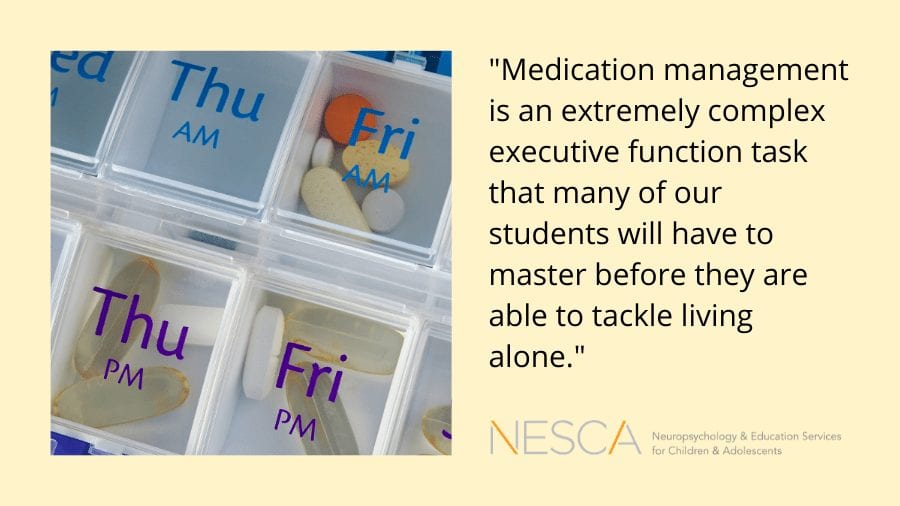
When working with young adults and adolescents to build up executive function skills, my main goal is to find systems and strategies that are truly helpful, easily accessed and that will eventually be used independently. While there are many fabulous apps that have been developed to target specific organizational skills, such as medication management, creating to-do lists and taking notes, I would argue that the number one, most important tool is an accurate, up-to-date calendar. The format of a digital calendar provides three hugely important supports.

  1. Visual Map of Time – Time management is tricky, and for many of our students, the concept of time itself is quite abstract. A calendar that has chunks of time visually blocked out helps to concretize an abstract concept. Additionally, having a calendar can help students plan their work. If a student has five different assignments to work on in a given week, looking at a calendar to find available segments of time will often help them realize that leaving everything until the last minute will not be possible. Notably, this requires guidance at first. Asking students questions, such as, “how long does an assignment like this generally take you?” or “would that available hour on Tuesday give you enough time for your problem set?” will help them start to internally ask themselves the right questions.
  2. Built-in Notification Systems – Some students use the alarms on their phone as reminders that they need to complete academic or daily living tasks. For example, they may have an alarm at 7:00pm every evening as a prompt to take their medication. Digital calendar apps allow for notifications to be linked to an event or task. Sometimes a simple reminder 10 minutes before a meeting or class is plenty, and our students can arrive on time with that quick prompt. For other appointments, I have students set two separate notifications, one in the morning and one at the time they would need to start getting ready or prepared for an appointment. For example, if a student has a doctor’s appointment two months in the future, a student could benefit from setting a notification eight hours and 1 hour before the appointment. This way, they start their morning with an acute awareness of their responsibility that afternoon and are reminded again when they need to start getting ready to leave.
  3. Constant Access when Synced across Devices – Calendars, such as the Google Calendar, sync seamlessly across digital devices. The same calendar can be accessed from a phone, a tablet, a laptop or a desktop quickly and easily. Students can refer to their phone when they are out and about or their computer if they are focused in class.

Research shows us that building executive function skills requires direct instruction and the opportunity to practice (Semenov & Zelazo, 2019). While using a calendar may seem like a simple skill, many of the systems provided in high schools take away the opportunity for students to practice setting up and maintaining their own calendar. Online portals have calendars that are immediately synced to the teacher’s schedule with assignments and due dates already entered. Additionally, many of our students rely on their parents to keep track of any and all appointments (medical or otherwise), meetings and other scheduled activities. This means that when starting a more independent schedule – whether at a university, vocational program or first job – these students often find themselves overwhelmed by the deadlines and the number of responsibilities that they must track. I urge parents to slowly increase the number of appointment and activities that students are in charge of remembering on their own. Helping a student enter doctor or dentist appointments, vacation details, such as flight or bus times, and deadlines into their personal calendar helps them start to build this habit and provides opportunity for practice. We have the tools to help students make this transition more easily, and with small, intentional changes to expectations of responsibility and independence, we can provide students with tools in their back pockets so they are ready to support (and schedule) themselves!

References

Semenov A, D, Zelazo P, D: Mindful Family Routines and the Cultivation of Executive Function Skills in Childhood. Human Development 2019;63:112-131. doi: 10.1159/000503822


About the Author

Sophie Bellenis is a Licensed Occupational Therapist in Massachusetts, specializing in educational OT and functional life skills development. Bellenis joined NESCA in the fall of 2017 to offer community-based skills coaching services as a part of the Real-life Skills Program within NESCA’s Transition Services team. Bellenis graduated from the MGH Institute of Health Professions with a Doctorate in Occupational Therapy, with a focus on pediatrics and international program evaluation. She is a member of the American Occupational Therapy Association, as well as the World Federation of Occupational Therapists. Having spent years delivering direct services at the elementary, middle school and high school levels, Bellenis has extensive background with school-based occupational therapy services.  She believes that individual sensory needs and visual skills must be taken into account to create comprehensive educational programming.


To book an appointment or to learn more about NESCA’s Occupational Therapy Services, please fill out our online Intake Form, email info@nesca-newton.com or call 617-658-9800.


Neuropsychology & Education Services for Children & Adolescents (NESCA) is a pediatric neuropsychology practice and integrative treatment center with offices in Newton, Massachusetts, Plainville, Massachusetts, and Londonderry, New Hampshire, serving clients from preschool through young adulthood and their families. For more information, please email info@nesca-newton.com or call 617-658-9800.


How to Not Worry Alone: Signs Your Teen May Need More Help

By | NESCA Notes 2021

By: Moira Creedon, Ph.D. 
Pediatric Neuropsychologist, NESCA

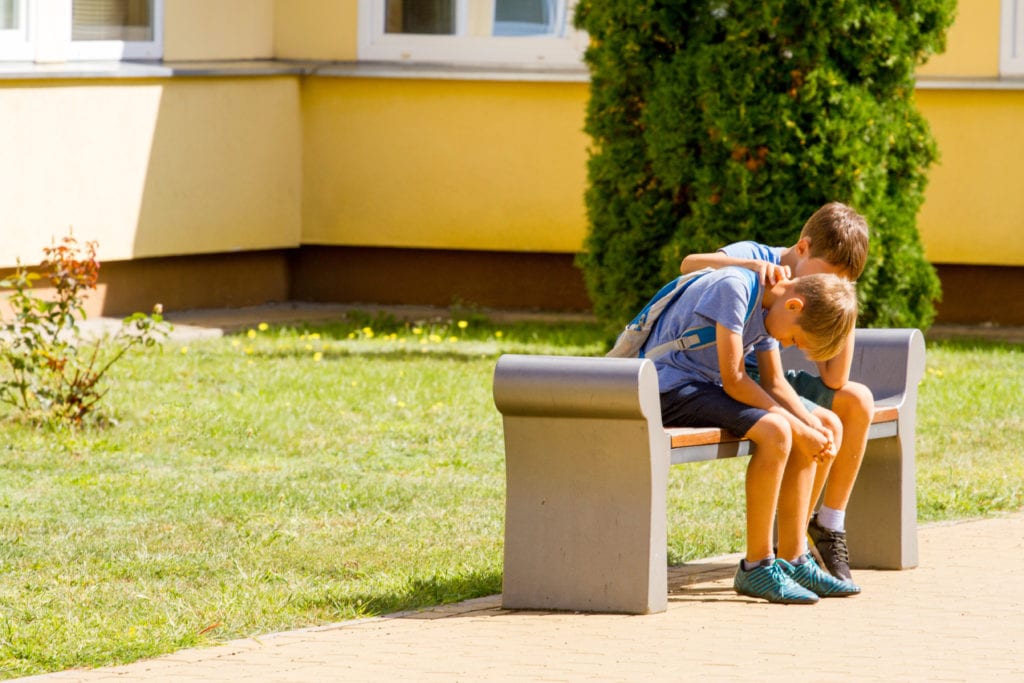
As we reach nearly a year since children and teens in Massachusetts were sent home from school, many of us are experiencing the sadness and disappointment that comes from chronic stress. Combined with colder weather keeping us indoors and more limited daylight, it’s certainly harder for us to stay positive and upbeat. Children and teens have experienced tremendous and immeasurable loss over the last year – loss of normalcy, of freedom, of rites of passage like graduations, of competition and sport, of friendships, to name a few. Some have lost loved ones to illness and death, and others to separation and distance. They have experienced large doses of social deprivation and far less interaction with the world. And, while most children and teens will weather this storm, there are some whose resilience is very much at risk.

The evidence strongly suggests that there are increased rates of depression, anxiety, substance use and suicidal ideation in children and teens. Some changes in your child or teen since the “good old days” pre-pandemic are expected, just as ebbs and flows in our mood throughout the day or week are. So how is one to know when the situation is going from “normal adjustment” to the completely abnormal pandemic to a more dire and urgent need for help?  Here are few signs to keep alert to:

  • If you see your child withdrawing from activities they enjoy – even those around the house – pay attention. This might mean that a teen has stopped showing interest in baking projects, in connecting with friends over gaming, in watching movies with the family, etc. The shift from limited social interactions to total isolation is important.
  • If you see your child persistently struggling with daily living activities that used to be somewhat easy, keep a close eye on sleep and hygiene. Depressed children and teens tend to sleep much more or even much less than their peers with a sense of being tired and lethargic. Be alert for newer changes in hygiene and bathing that may have not been an issue before.
  • If you are noticing a persistent low or sad mood, pay attention to how your child talks about the future. A sense of hopelessness or difficulty articulating anything they look forward to about the future (for a family trip, for a chance to see a friend again, for a new season of a favorite show) is a sign that emotional health is precarious.
  • If you notice behavioral outbursts that happen more often and seem to grow more intense, your child or teen may be showing the irritability and anger that is common in depression in children and teens.
  • If your child had signs of anxiety or depression before the pandemic, the increased stress is likely to hit harder.

If a child or teen’s low mood seems to be persistent (around all the time) and pervasive (no matter what they are doing), it’s time to reach out for help. If you have noticed these struggles, who do you call?

  • Start with your child’s pediatrician. Many clinics have social workers on staff who can help to locate service agencies in your area. You can call and request a list of referral agencies or therapists. It may also help to ensure that there are not physical illnesses that are underlying the emotional problem.
  • Contact your child’s school. It’s worthwhile to check out how your child’s teacher perceives their engagement with school since a decline in academic functioning and even motivation to do any school work can be an important sign of a problem. Contact the guidance counselor, school psychologist, or social worker to ask for support. If the staff are unable to arrange therapy at school, they can provide names of therapists in the community.
  • Contact your insurance company either by calling or reviewing information on their website. Most providers are using telehealth platforms to interact with clients. Insurance companies regularly contact providers who are paneled to take insurance to see if they are accepting new patients for telehealth.
  • Ask friends or family for any providers they may have worked with in the past.

Asking for help for your struggling child or teen is a brave and powerful message. It shows your child that you do not ever need to worry alone.


For additional resources, please see:

The American Psychological Association at https://www.apa.org/monitor/2020/06/covid-suicide.

The Centers for Disease Control and Prevention at https://www.cdc.gov/coronavirus/2019-ncov/daily-life-coping/stress-coping/young-adults.html

National Suicide Prevention Lifeline at 1-800-273-TALK.


About the Author

Dr. Creedon has expertise in evaluating children and teens with a variety of presenting issues. She is interested in uncovering an individual’s unique pattern of strengths and weaknesses to best formulate a plan for intervention and success. With experiences providing therapy and assessments, Dr. Creedon bridges the gap between testing data and therapeutic services to develop a clear roadmap for change and deeper of understanding of individual needs.


If you are interested in booking an evaluation with Dr. Creedon or another NESCA neuropsychologist, please fill out and submit our online intake form


Neuropsychology & Education Services for Children & Adolescents (NESCA) is a pediatric neuropsychology practice and integrative treatment center with offices in Newton and Plainville, Massachusetts, and Londonderry, New Hampshire, serving clients from preschool through young adulthood and their families. For more information, please email info@nesca-newton.com or call 617-658-9800.
Anxiety Reducers for Children and Teens with ASD

By | NESCA Notes 2021

By Renée Marchant, Psy.D.
Pediatric Neuropsychologist

Research indicates that children and teens with Autism Spectrum Disorders (ASD) are more sensitive to heightened physiological sympathetic arousal (the “fight or flight” response), including increased heart rate, breathing rate, feeling “on edge” and body-based tenseness. Heightened physiological arousal is neurologically connected to sensory processing and emotional responses. This is why some children with ASD have “high startle responses” or sensitivities to specific sensations, such as touch or sounds. This is also why some children and teens with ASD are vulnerable to feelings of anxiety, particularly within social situations and settings.

There is growing research focusing on possible strategies and interventions that reduce anxiety and “buffer” the “fight or flight” response that can be activated for many children and teens with ASD.

5 Research-driven Anxiety Reducers:

Animals: Include companion or therapy animals in social groups or social outings (particularly new social events). In one study, children with ASD showed a 43% decrease in skin conductance responses during free play with peers in the presence of animals, as compared to toys (O’Haire, McKenzie, Beck, & Slaughter, 2015).

Exercise: Make a plan to engage in a “warm up” body-based activity right before a social event when anxiety levels are increasing (e.g., jumping jacks, burpees, squats). Research indicates that exercise calms the amygdala and decreases physiological arousal.

Relax or Distract: Practice progressive muscle relaxation (PMR). Recent research has indicated that regular and routine engagement in PMR sessions can be a useful strategy for individuals with ASD. Distract yourself from the anxiety-producing situation for the short term (e.g., count by 3s, name three things you can see and hear in the room, repeat words from your favorite song in your head).

Plan to Take a Break: Children and teens can benefit from having a healthy “escape plan” to take a break from socially-demanding and sensory-demanding settings (e.g., a large event like a play or concert, a college lecture, an interview for a job). Research indicates that “rest breaks” during mentally demanding tasks result in increased alertness, decreased fatigue and heightened relaxation.

Social Stories: Social stories provide the opportunity to practice and prepare for stressful situations, decreasing “fight or flight” responses. Read more about examples and applications of social stories in my colleague, Dr. Erin Gibbons’ previous blog post.


About the Author:

Dr. Renée Marchant provides neuropsychological and psychological (projective) assessments for youth who present with a variety of complex, inter-related needs, with a particular emphasis on identifying co-occurring neurodevelopmental and psychiatric challenges. She specializes in the evaluation of developmental disabilities including autism spectrum disorder and social-emotional difficulties stemming from mood, anxiety, attachment and trauma-related diagnoses. She often assesses children who have “unique learning styles” that can underlie deficits in problem-solving, emotion regulation, social skills and self-esteem.

Dr. Marchant’s assessments prioritize the “whole picture,” particularly how systemic factors, such as culture, family life, school climate and broader systems impact diagnoses and treatment needs. She frequently observes children at school and participates in IEP meetings.

Dr. Marchant brings a wealth of clinical experience to her evaluations. In addition to her expertise in assessment, she has extensive experience providing evidence-based therapy to children in individual (TF-CBT, insight-oriented), group (DBT) and family (solution-focused, structural) modalities. Her school, home and treatment recommendations integrate practice-informed interventions that are tailored to the child’s unique needs.

Dr. Marchant received her B.A. from Boston College with a major in Clinical Psychology and her Psy.D. from William James College in Massachusetts. She completed her internship at the University of Utah’s Neuropsychiatric Institute and her postdoctoral fellowship at Cambridge Health Alliance, a Harvard Medical School teaching hospital, where she deepened her expertise in providing therapy and conducting assessments for children with neurodevelopmental disorders as well as youth who present with high-risk behaviors (e.g. psychosis, self-injury, aggression, suicidal ideation).

Dr. Marchant provides workshops and consultations to parents, school personnel and treatment professionals on ways to cultivate resilience and self-efficacy in the face of adversity, trauma, interpersonal violence and bullying. She is an expert on the interpretation of the Rorschach Inkblot Test and provides teaching and supervision on the usefulness of projective/performance-based measures in assessment. Dr. Marchant is also a member of the American Family Therapy Academy (AFTA) and continues to conduct research on the effectiveness of family therapy for high-risk, hospitalized patients.


To book an evaluation with Dr. Marchant or one of our many other expert neuropsychologists, complete NESCA’s online intake form. Click here to learn more about NESCA’s ASD Diagnostic Clinic.


Neuropsychology & Education Services for Children & Adolescents (NESCA) is a pediatric neuropsychology practice and integrative treatment center with offices in Newton and Plainville, Massachusetts, and Londonderry, New Hampshire, serving clients from preschool through young adulthood and their families. For more information, please email info@nesca-newton.com or call 617-658-9800.


The Benefits of Sensory-based Play

By | NESCA Notes 2021

By: Madelyn (Maddie) Girardi, OTD, OTR/L
Occupational Therapist, NESCA

The importance of play for child development

Play is considered an essential aspect of child development as it contributes to cognitive, physical, social and emotional well-being. As a pediatric occupational therapist, play is an integral part of my job. When children have opportunities to play, this allows them to build their creativity and imagination, resolve conflicts and learn self-advocacy skills. Through play, children develop new abilities that lead to enhanced confidence and resiliency, skills crucial for navigating day to day challenges. Play allows kids to practice decision-making skills, discover areas of interest and engage in passions. (Ginsburg, 2007).

 What is sensory-based play?

Sensory play can be described as any play activity that stimulates an individual’s sensory system. The sensory system includes touch (tactile), smell (olfactory), taste (gustatory), sight (visual), hearing (auditory), balance (vestibular) and movement (proprioception). Common examples include sensory bin or sandbox play, play with shaving cream, finger paint and/or food, use of a balance beam, ball pit, and/or swings, sound tubes, and so much more!

Why is sensory play beneficial?

While we know that play is a critical part of child development, incorporating a multi-sensory approach into play activities can be particularly beneficial. When activities are fun and meaningful – our senses are engaged – we learn best!

  • Promotes learning – children who engage multiple senses to accomplish a task are better able to remember and recall learned information.
  • Facilitates exploration, creativity and curiosity in children who may be seeking, or avoiding, certain types of stimuli.
  • Allows for strengthening of the brain pathways and connections that allow for efficient sensory integration.
  • Promotes self-regulation by allowing for interaction with different mediums that may be calming for the child (Educational Playcare, 2016).

What kinds of OT skills can be targeted through sensory play?

  • Sensory processing skills
  • Fine motor skills
  • Gross motor skills
  • Feeding skills
  • Body awareness
  • Motor planning
  • Visual perceptual skills
  • Communication and play skills
  • Self-regulation and coping skills

References:

Educational Playcare. (2016, October 27). Why Sensory Play is Important for Development.
https://www.educationalplaycare.com/blog/sensory-play-important-development/#:~:text=Sensory%20play%20includes%20any%20activity,%2C%20create%2C%20investigate%20and%20explore

Ginsburg, K. R. (2007). The importance of play in promoting healthy child development and
maintaining strong parent-child bonds. Pediatrics119(1), 182-191.

To learn more about Maddie Girardi, watch this video interview between NESCA Occupational Therapists Sophie Bellenis, OTD, OTR/L, and Maddie Girardi, OTD, OTR/L.

About the Author
Madelyn (Maddie) Girardi is a Licensed Occupational Therapist in Massachusetts with experience in both school-based and outpatient pediatric settings. Maddie received her undergraduate degree in Exercise Science/Kinesiology at The College of Charleston in South Carolina and  earned her Doctorate degree in Occupational Therapy from The MGH Institute of Health Professions in Boston.

Maddie is a passionate therapist with professional interest in working with young children with neurodevelopmental disorders, fine and gross motor delays and Autism Spectrum Disorder (ASD).

To book an appointment or to learn more about NESCA’s Occupational Therapy Services, please fill out our online Intake Form, email info@nesca-newton.com or call 617-658-9800.


Neuropsychology & Education Services for Children & Adolescents (NESCA) is a pediatric neuropsychology practice and integrative treatment center with offices in Newton, Massachusetts, Plainville, Massachusetts, and Londonderry, New Hampshire, serving clients from preschool through young adulthood and their families. For more information, please email info@nesca-newton.com or call 617-658-9800.


Teens Online: Participation vs. Observation

By | NESCA Notes 2021

By Yvonne M. Asher, Ph.D. 
Pediatric Neuropsychologist

As we enter the beginning of 2021, the COVID-19 pandemic continues to shape our world. More and more, events, activities and interactions are pushed online – onto videoconferencing apps, social media and academic learning  platforms. Online social interactions are not new, and they won’t disappear anytime soon. With this, how do we, as adults, understand and navigate these oddly draining electronically-mediated gatherings, and how do we help our teens do the same?

One unique characteristic of online interaction is the ability to be present without being visible. In traditional social settings, to be present with the group is to be seen and, often times, noticed. Joining a Zoom or Google Meet offers one the ability to listen, watch and take the information presented without offering anything of yourself – no one has to see you, hear you, know where you are or know what you are doing. As many adults have noticed, this gives incredible freedom to the multi-taskers – listen to your meetings while getting the dishes done or the laundry folded.

For some adolescents, though, this is an opportunity to bypass many of the core tasks of social development, while still engaging with the material needed to accomplish one’s academic goals. A high schooler, acutely aware of how they are perceived and what others think of them, can sit silently, invisibly in social studies class. They can hone in on the economic impacts of World War I without the crushing anxiety of worrying about being teased or ostracized. However, that same high schooler may never have to confront the developmentally-expected challenges of venturing out of their “comfort zone” socially. They may not learn to ask someone out on a date, explore a new friendship or show up to the first meeting of a club.

How can we help our teens learn to take the best from online interactions while also pushing them to fully engage with others? There is no one, clear-cut answer – no “10 things…” or similar checklist. In any situation, we must look holistically at the teen, the context and the goals, and, from there, determine the best path forward. Sometimes, the anonymity of the online world is a welcome respite for teens looking to explore a new facet of their identity. Other times, it undercuts the core tasks of adolescence – building deep bonds with peers, taking responsibility for one’s social relationships and developing independence. Having direct, open conversations with our teens helps them understand and begin to own the challenges of the online world. If cameras are always off and microphones are always on mute, maybe it is time for a chat about participation versus observation.


About the Author

Dr. Yvonne M. Asher enjoys working with a wide range of children and teens, including those with autism spectrum disorder, developmental delays, learning disabilities, attention difficulties and executive functioning challenges. She often works with children whose complex profiles are not easily captured by a single label or diagnosis. She particularly enjoys working with young children and helping parents through their “first touch” with mental health care or developmental concerns.

Dr. Asher’s approach to assessment is gentle and supportive, and recognizes the importance of building rapport and trust. When working with young children, Dr. Asher incorporates play and “games” that allow children to complete standardized assessments in a fun and engaging environment.

Dr. Asher has extensive experience working in public, charter and religious schools, both as a classroom teacher and psychologist. She holds a master’s degree in education and continues to love working with educators. As a psychologist working in public schools, she gained invaluable experience with the IEP process from start to finish. She incorporates both her educational and psychological training when formulating recommendations to school teams.

Dr. Asher attended Swarthmore College and the Jewish Theological Seminary. She completed her doctoral degree at Suffolk University, where her dissertation looked at the impact of starting middle school on children’s social and emotional wellbeing. After graduating, she completed an intensive fellowship at the MGH Lurie Center for Autism, where she worked with a wide range of children, adolescents and young adults with autism and related disorders.


Neuropsychology & Education Services for Children & Adolescents (NESCA) is a pediatric neuropsychology practice and integrative treatment center with offices in Newton, Massachusetts, Plainville, Massachusetts, and Londonderry, New Hampshire, serving clients from preschool through young adulthood and their families. For more information, please email info@nesca-newton.com or call 617-658-9800.


To book an appointment with Dr. Yvonne Asher, please complete our Intake Form today. For more information about NESCA, please email info@nesca-newton.com or call 617-658-9800.


Changes in Transitioning from School-based Services to DDS Adult Services during COVID-19

By | NESCA Notes 2021

By: Kelley Challen, Ed.M., CAS
Director of Transition Services; Assistant Director, NESCA

Transitioning from public education to adult human service supports is a complicated process that we have covered in several blogs over the years here at NESCA, including the two recent resources linked below:

As with many aspects of life, the existence of a global pandemic has complicated the transition process even more. In Massachusetts, Chapter 688 referrals (the referrals that help adult agencies to request the appropriate amount of funding from the state for supporting students with disabilities after they turn 22) were down by as much as 75% in September 2020. Additionally, referral processes that often were carried out in 2-4 months are taking much longer. In fact, at a team meeting I attended last week, a special education administrator shared that it had taken approximately 9 months to complete a recent referral to the Department of Developmental Services (DDS) for a student seeking adult autism services.

[For those unfamiliar with DDS, this is the agency that offers services and supports for individuals with intellectual and developmental disabilities including Autism Spectrum Disorder (ASD).]

To better support transitioning families, DDS recently developed an information sheet that highlights some of the potential changes and challenges families may experience when preparing for their transition to DDS adult service supports during COVID-19. In addition to modified referral timelines, the information sheet touches on changes in how families learn about day and residential programs (e.g., virtual tours) and the ways in which programs may have changed their approaches to service delivery as a result of COVID-19 (e.g., changes to community employment, remote and in-person offerings, visitor policies, etc.).

This DDS information sheet is helpful for professionals and families and is available in several languages on the state’s web site: https://www.mass.gov/lists/transition-considerations-during-covid-19.


For families who are struggling to navigate the transition from high school to adult service support, to understand available resources and benefits during or after public education, to create an effective plan for their child during a lapse in service delivery, or with any other transition planning issues, NESCA transition consultation and planning services are here to support you. Visit our transition services page and our transition FAQs or fill out an Intake Form to schedule an appointment with one of our expert transition specialists today.


About the Author:

Kelley Challen, Ed.M., CAS, is NESCA’s Director of Transition Services, overseeing planning, consultation, evaluation, coaching, case management, training and program development services. She is also the Assistant Director of NESCA, working under Dr. Ann Helmus to support day-to-day operations of the practice. Ms. Challen began facilitating programs for children and adolescents with special needs in 2004. After receiving her Master’s Degree and Certificate of Advanced Study in Risk and Prevention Counseling from Harvard Graduate School of Education, Ms. Challen spent several years at the MGH Aspire Program where she founded an array of social, life and career skill development programs for teens and young adults with Asperger’s Syndrome and related profiles. She additionally worked at the Northeast Arc as Program Director for the Spotlight Program, a drama-based social pragmatics program, serving youth with a wide range of diagnoses and collaborating with several school districts to design in-house social skills and transition programs. Ms. Challen is co-author of the chapter “Technologies to Support Interventions for Social- Emotional Intelligence, Self-Awareness, Personality Style, and Self-Regulation” for the book Technology Tools for Students with Autism. She is also a proud mother of two energetic boys, ages six and three. While Ms. Challen has special expertise in supporting students with Autism Spectrum Disorders, she provides support to individuals with a wide range of developmental and learning abilities, including students with complex medical needs.

Neuropsychology & Education Services for Children & Adolescents (NESCA) is a pediatric neuropsychology practice and integrative treatment center with offices in Newton, Massachusetts, Plainville, Massachusetts, and Londonderry, New Hampshire, serving clients from preschool through young adulthood and their families. For more information, please email info@nesca-newton.com or call 617-658-9800.

Literacy-based Speech Therapy: Winter Edition

By | NESCA Notes 2021

By: Abigael Gray, MS, CCC-SLP

NESCA Speech-Language Pathologist

Books are a great speech-language therapy tool. They can be used to target many different goals for a variety of ages and profiles. With books, children are given context for learning vocabulary, concepts and important story elements. Literacy-based therapy is not only more fun, but research also supports its use in teaching children with speech and language disorders:

  • Teaching story elements has been shown to improve oral language production and reading comprehension.
  • Teaching within a narrative context can make language learning less demanding, more meaningful and more authentic.
  • Students’ comprehension and story retelling/generation skills improved more with contextualized (literacy-based) intervention than decontextualized intervention.

Books can easily be incorporated into life at home, if they are not already a part of the daily routine. Just grab your or your child’s favorite book, or find a YouTube read aloud of it, and have your child help you read it! Be sure to pause throughout the book to talk about the pictures, make inferences about why events are happening and ask a few questions. Don’t be afraid to change the words to match your child’s level of understanding or interests.

My top three favorite winter books to use in speech-language therapy are:

  1. Sneezy the Snowman by Maureen Wright

A story about a cold and sneezy snowman who melts several times while trying to get warm. His human friends help him by rebuilding him and sharing their winter clothes.

Amazon: https://www.amazon.com/Sneezy-Snowman-Maureen-Wright/dp/1477810544

YouTube Read Aloud: https://youtu.be/iUsHnKSyDH0

Skills that I target and can be incorporated into shared book reading at home:

  • Producing subject-verb-object or complex sentences to talk about what is happening.
  • Predicting what will happen before and throughout reading (e.g., “Sneezy is drinking hot chocolate, what do you think will happen?”).
  • Answering detail (what, where, who, when) and inferential (why) questions.
  • Discussing story parts (e.g., characters, setting, problem, solution) and retelling the story.
  • Writing using different prompts, such as “My snowman melted because…” or “When I’m cold, I…”.
  1. The Mitten by Jan Brett

A traditional story about a boy whose grandmother knits him new mittens. He loses one mitten when he is outside playing, and many different animals climb inside to stay warm.

Amazon: https://www.amazon.com/Mitten-Jan-Brett/dp/0399231099

YouTube Read Aloud: https://youtu.be/duhj0Op_slo

Skills that I target and can be incorporated into shared book reading at home:

  • Sequencing events by talking about the order of animals that climbed into the mitten.
  • Creating a craft by printing a mitten and animals, coloring the animals and putting them inside the mitten as you retell the story.
  • Watching a different rendition of The Mitten on Vooks.com and comparing and contrasting the two stories using a Venn diagram.
  • Producing past tense verbs to describe what happened.
  • Making inferences about characters’ emotions and motivations.
  1. The Snowy Day by Ezra Jack Keats

A Caldecott Medal-winning book about a boy’s adventures in the snow when he puts on his snowsuit and goes outside to play.

Amazon: https://www.amazon.com/Snowy-Day-Board-Book/dp/0670867330

YouTube Read Aloud: https://youtu.be/FmZCQfeWjeQ

Skills that I target and can be incorporated into shared book reading at home:

  • Telling an original story together by covering up the words on the pages.
  • Finding words that contain the child’s target speech sound (i.e., if your child is working on producing the “R” sound, find all the words that contain “R” and practice those).
  • Describing character traits of Peter, the main character.
  • Discussing cause and effect (e.g., cause: Peter smacked a snow-covered tree, effect: snow fell on Peter’s head).
  • Writing using different prompts, such as “On a snowy day, I like to…” or “I can save a snowball by…”.


References:

Davies, P., Shanks, B., & Davies, K. (2004). Improving narrative skills in young children with delayed language development. Educational Review, 56, 271 – 286.

Gillam, S. L., Gillam, R. B., & Reece, K. (2012). Language outcomes of contextualized and decontextualized language intervention: results of an early efficacy study. Language, speech, and hearing services in schools43(3), 276–291. https://doi.org/10.1044/0161-1461(2011/11-0022)

Tomasello, M. (2003). Constructing a language. A usage-based theory of language acquisition. Cambridge, MA: Harvard University Press


About the Author

Abigael Gray has over six years of experience in assessment and treatment of a variety of disorders, including dysphagia, childhood apraxia of speech, speech sound disorder, receptive and expressive language disorder, autism spectrum disorder and attention deficit hyperactivity disorder. She has a special interest and experience in working with children with feeding and swallowing disorders, including transitioning infants to solid foods, weaning from tube feeding, improving sensory tolerance, developing chewing skills, increasing variety and volume of nutritional intake and reducing avoidance behaviors during mealtimes.


To book an appointment or to learn more about NESCA’s Speech & Language Therapy, please fill out our online Intake Form, email NESCA’s Director of Clinical Services Julie Robinson or call 617-658-9800.

Neuropsychology & Education Services for Children & Adolescents (NESCA) is a pediatric neuropsychology practice and integrative treatment center with offices in Newton, Massachusetts, Plainville, Massachusetts, and Londonderry, New Hampshire, serving clients from preschool through young adulthood and their families. For more information, please email info@nesca-newton.com or call 617-658-9800.


When Gaming Is No Longer A Game

By | NESCA Notes 2021

By: Cynthia Hess, PsyD
Pediatric Neuropsychologist and Therapist

Many parents are wrestling with how much time their children are engaging with screens, and finding themselves wondering how much is too much. Children who experience difficulty related to symptoms of ADHD are especially drawn to the stimulation of screens. And children with ADHD tend to require frequent and immediate rewards, making them especially drawn to screen-time activities. While a specific cause for ADHD has not been identified, there is some consensus that a shortage of dopamine could be to blame. Dopamine not only plays a role in how we feel pleasure, it is also significant in the uniquely human ability to think and plan.

Part of the allure of gaming – and social media – is that each new level reached and each new “like,” instantly releases a small dose of dopamine directly into the brain’s reward center. If you have ever had to fight with your child to get off technology, this is likely why. A deficit in dopamine is easily fed by screen-time activities, leading children to want more. This has led to a demand for content, resulting in tens of millions of dollars having been made by YouTubers whose entire platform is gaming, and children love watching them. They are entertaining, and kids learn tips for improving their own gaming.

Children worship gaming YouTubers, and many strive to be one someday. It is challenging for parents to keep up with the content their children are accessing largely because YouTube has created an algorithm in the system that suggests what to watch next based on frequent views or recent searches. YouTube’s recommendation system is specifically engineered to maximize watch time and often “up next” videos play automatically. In fact, this feature is responsible for more than 70 percent of all time spent on the site, indicating that children, and others, are consistently and reliably exploring recommended “up next” content. It is important for parents to do their research and know who their children are watching and following on YouTube, as they may be drawn into content that could be highly influential and contrary to family values. While many YouTubers are harmless, there are those who include brief, perhaps undetectable messages (e.g., PewDiePie) that influence what shows up next. Children are curious, and YouTube’s goal is to keep them engaged, which can turn into the perfect storm.

YouTube consists of a business model that rewards provocative videos with large sums of money. They strive to attract viewers by leading them down paths meant to keep people engaged. While much of the content may seem innocuous, there are reasons to be cautious as things aren’t always as innocent as they seem. Provocative content creates intrigue. It piques interest and may be especially attractive to older children and adolescents. As individuals strive to create the next viral video, putting forth extreme beliefs and violent content may be their pathway to becoming a celebrity. For these reasons, and as technology becomes increasingly embedded in children’s lives, it is important for parents to do their research and stay informed.

Some helpful resources include:

https://www.pewresearch.org/internet/2020/07/28/parenting-children-in-the-age-of-screens/

https://chadd.org/wp-content/uploads/2018/06/ATTN_06_15_TooMuchScreenTime.pdf

https://childmind.org/article/healthy-limits-on-video-games/


About the Author

Dr. Cynthia Hess recently graduated from Rivier University with a PsyD in Counseling and School Psychology. Previously, she earned an M.A. from Antioch New England in Applied Psychology. She also worked as an elementary school counselor and school psychologist for 15 years before embarking on her doctorate. During her doctorate, she did her pre-doctoral internship with RIT in Rochester, N.Y. where she worked with youth ages 5-17 who had experienced complex developmental trauma. Dr. Hess’s first post-doctoral fellowship was with The Counseling Center of New England where she provided psychotherapy and family therapy to children ages 5-18, their families and young adults. She also trained part-time with a pediatric neuropsychologist conducting neuropsychological evaluations.


To schedule an appointment with one of NESCA’s expert neuropsychologists, please complete our online intake form


Neuropsychology & Education Services for Children & Adolescents (NESCA) is a pediatric neuropsychology practice and integrative treatment center with offices in Newton and Plainville, Massachusetts, and Londonderry, New Hampshire, serving clients from preschool through young adulthood and their families. For more information, please email info@nesca-newton.com or call 617-658-9800.


Developing S-M-A-R-T Goals in 2021

By | NESCA Notes 2021

By: Tabitha Monahan, M.A., CRC
NESCA Transition Specialist/Counselor

Happy New Year! Now two weeks into 2021, maybe it’s time to revisit those New Year Resolutions.  French writer Antoine de Saint-Exupéry wrote: “a goal without a plan is just a wish.” This is true for resolutions, just as it is for any goal. How can we help our young people change their wishes, visions and dreams into goals? We teach them (and maybe ourselves while we’re at it) how to plan. One of my favorite strategies for both teaching and reaching goals is by creating SMART Goals. What is a Smart Goal?

Specific – The goal should be specific. I’ll increase the distance I run is vague. Will you increase the distance by 20 feet, 2 miles? Are you planning for a marathon? Instead, let’s take a look at step 2, making it measurable.

Measurable – There’s a good chance that if your goal is not specific enough, it will be hard to measure if you have succeeded in that goal. So, let’s make our exercise goal both specific and measurable. I’ll increase the distance I run from 1 mile to 3.2 miles (5k).

Attainable – Attainable is the hard one for many students who are still building awareness of their strengths and challenges. Let’s say a person who has never run wants to run in the Boston Marathon. This is likely not an attainable goal, even if it is specific and measurable. Couch to 5k training exists; I have not seen the couch to marathon training program. Having measurable steps also helps break down the goal into smaller pieces, which will be further discussed later.

Relevant – If I am trying to increase my social circle and group leisure skills, running is unlikely to get me there. However, if, like many people, we’re trying to improve our health in 2021 (or take off some of those quarantine pounds), increasing the distance we run certainly will get us there. Many young adults may need to bounce ideas off someone to ensure the goal is relevant to the area at hand.

Time-bound – Attainable and time-based work tightly together. If you do not give yourself a deadline, the goal may still be there come December 2021. Humans work best with deadlines. We need the motivation to complete a plan, and often motivation needs a sense of urgency.

Okay, so what does our SMART goal look like for increased health and wellness? I will increase the distance I run from 1 mile to 3.2 miles (5k) in ¼ mile increments by June 30, 2021.

We have all the pieces. It is specific, and we know precisely what the end goal will be and how we will get there. It’s measurable; there is something we can check off as complete, like a to-do list. It’s attainable and seems realistic. We are not trying to run the Boston Marathon course after only running a mile. We will start as a beginner runner and work towards a 5k, and we are not trying to do it tomorrow with no steps in between. It’s relevant; we are working on bettering our health in 2021. And it is time-based. We want to meet our goal by the end of June.

Now that we’ve refreshed our minds on SMART goals, how do we build these skills in transition-aged youth? Ask them. Ask your child, your students, your clients what they want for themselves in education, employment and independent living. We already have the starting points. We have their vision. We have the IEP TEAM’s goals and objectives.

The youth may have a far-reaching (and maybe seemingly unattainable) goal. Help them break that big goal down into smaller parts and work backward. Do they want to be an engineer? Engineers need a college degree. What does the student need to do to graduate college? They need to get into college. How do they get into college? They need to apply and graduate from high school. What do they need to do to graduate high school? They need to pass their science class. That seems like a reasonable starting place, and it is still related to the vision. What might a SMART goal look like for that student? I will receive a passing grade on my final exam by answering the end of chapter questions each week and asking for clarification from my teacher for any questions I got wrong by the end of the spring semester.

But how do we support them when they aren’t making progress? Many people have a hard time adjusting once they have made a plan. Whenever we set a goal, we need to look at our progress periodically. We need to check that the goal is still attainable by the deadline we gave ourselves. Are we making progress? If we are still running only a mile and it’s March, what adjustments do we need to make? Suppose a student is not finding answering the end of chapter questions helpful in confirming their knowledge of the material. What changes can they make to increase their understanding of the material? Maybe the student asks the teacher if they can work one-on-one twice a week to increase understanding? Frustration, when the plan doesn’t work, makes many give up on the goal. Learning how to adapt is just as essential as learning how to make a goal.

A person who has practiced SMART goals is a person who will have an increased understanding of the objectives and smaller steps they need to reach their vision. They will have more confidence in their abilities and more awareness of their challenges. A person who has goal-setting skills is a person who has control of their own life. What are your SMART goals for 2021?


About the Author

Tabitha Monahan, M.A., CRC, is an experienced transition evaluator and vocational counselor. While she is well-versed in supporting a wide range of transition-aged youth, she is especially passionate and knowledgeable in helping clients and their families navigate the complex systems of adult services and benefits as well as medical and mental health systems. She is further adept in working individually with students of all abilities to empower self-advocacy and goal achievement.


To schedule an appointment with one of NESCA’s expert transition specialists or neuropsychologists, please complete our online intake form


Neuropsychology & Education Services for Children & Adolescents (NESCA) is a pediatric neuropsychology practice and integrative treatment center with offices in Newton and Plainville, Massachusetts, and Londonderry, New Hampshire, serving clients from preschool through young adulthood and their families. For more information, please email info@nesca-newton.com or call 617-658-9800.


Skip to content